Fotona 4D Laser Facial (TimeWalker) Encino, CA: What Results Can You Expect?
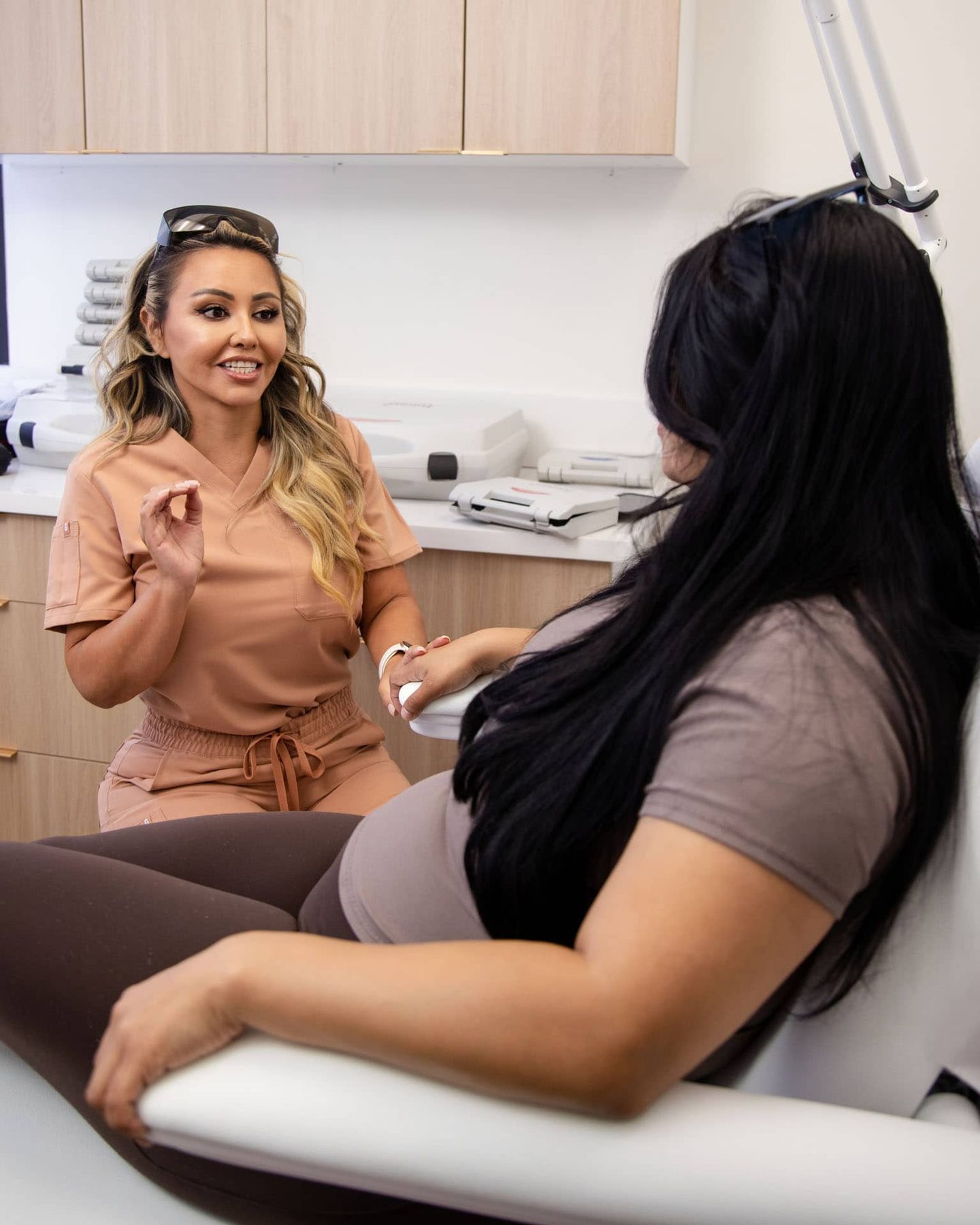
If you have been researching non-surgical skin tightening in the San Fernando Valley, you have probably seen a lot of before-and-after photos, a lot of optimistic promises, and not nearly enough plain talk about what changes are realistic. That is especially true with the Fotona 4D Laser Facial, also known in some practices as TimeWalker treatment. It is an appealing option because it targets texture, laxity, tone, and collagen stimulation without surgery, and usually without the kind of downtime people associate with deeper resurfacing procedures.
The question most people in Encino actually want answered is simpler: what will I look like afterward, and will it be worth it?
The short answer is that most patients can expect a fresher, tighter, more rested version of themselves, not a dramatically different face. The best results tend to show up as improved cheek and jawline firmness, softer smile lines, smoother texture, brighter skin, and a subtle lift through the midface and around the mouth. For the right person, those changes can be meaningful. For the wrong person, they can feel underwhelming. That gap usually comes down to skin quality, age, expectations, and whether the treatment plan was customized well.
What the Fotona 4D approach is actually doing
Fotona 4D is not one single laser pass. It is a multi-step protocol that uses Er:YAG and Nd:YAG wavelengths in sequence to treat both superficial and deeper layers of tissue. One of the reasons experienced providers like it is that it can address several aging concerns in one session rather than chasing each issue separately.
A big differentiator is the intraoral portion, where laser energy is delivered from inside the mouth to heat tissue in the cheeks and around the perioral area. Patients are often surprised by this step the first time they hear about it, but it is one of the reasons the treatment has a reputation for improving nasolabial folds and the lower face without needles or surgery. The external passes then build on that by stimulating collagen, tightening tissue, and refining the skin surface.
In real practice, this matters Fotona 4D Laser Facial (TimeWalker) Encino, CA because aging is rarely just a surface problem. Fine lines can be visible on top, but the structure underneath has usually shifted too. A treatment that works at multiple depths tends to look more natural than something that only polishes the outermost layer.
The kind of results most patients notice first
The earliest changes are usually not the dramatic ones people imagine when they hear the phrase “laser facelift.” Right after treatment, the skin often looks pink and a little plumper. That immediate effect comes partly from swelling and increased circulation, so it is not the final result. Within several days, many patients notice that their skin looks smoother and more reflective, almost as if they have had a very good week of sleep and hydration.
The more meaningful changes develop gradually. Over the next several weeks, collagen remodeling begins to show up as firmer skin and a more refined texture. Smile lines may look softened. Crepey skin around the mouth can look less etched. The cheeks can appear slightly fuller, not because volume was added, but because tissue support has improved. On video calls, this often reads as “less tired” rather than “obviously treated,” which for many adults in Encino is exactly the goal.
One patient profile I see often is the person in their early to mid-40s who feels that filler seems too much, surgery feels too soon, and skincare alone is no longer enough. For that person, Fotona 4D can hit a sweet spot. It usually will not erase a deep fold or sharply redefine a neck with significant laxity, but it can make the face look noticeably more polished and lifted.
How much improvement is realistic
This is where honest consultation matters. A realistic range for visible improvement is often moderate, not transformational. If someone has mild to moderate skin laxity, early jowling, textural roughness, or etched lines around the mouth, they may see a result that feels impressive in everyday life. Friends might comment that they look well rested or ask if they changed their skincare. That is usually a sign of a good result.
If someone has advanced sagging, substantial volume loss, heavy lower-face laxity, or deep static folds, the improvement may still be worthwhile, but it will be more subtle. In those cases, laser tightening can support the skin, improve quality, and buy time before more invasive treatments, but it is not a substitute for a surgical lift.
For many patients, a fair expectation after a series is improvement in the range of “you can see it in the mirror and in photos, but it still looks like you.” That may not sound flashy, but it is often the standard people are happiest with over time. Treatments that preserve facial identity age better than treatments that chase dramatic change.
Why a series usually beats a single session
A single Fotona 4D treatment can give a nice refresh, particularly before an event, but the stronger outcomes usually come from a series. Collagen remodeling is cumulative. Tissue response builds over time. In office settings, many providers recommend around three sessions spaced several weeks apart, though timing varies by skin condition, age, and treatment intensity.
That recommendation is not just a sales habit. It reflects the biology of how skin responds. A patient with mild textural change in their 30s might be pleased with one or two sessions a year. Someone in their 50s with more visible laxity often needs a structured series to get the result they want. Maintenance also matters. Collagen does not stop breaking down just because you had laser treatment once.
In Encino, where sun exposure is part of daily life for much of the year, maintenance can be especially important. Even careful patients accumulate UV damage from driving, walking, weekend sports, and years of incidental exposure. A laser treatment can stimulate repair, but ongoing protection is what preserves the result.
What improves best, and what improves least
Fotona 4D tends to perform best in areas where skin quality and mild laxity are the main concerns. Fine lines around the mouth, early sagging through the lower face, uneven texture, enlarged pores, and overall dullness often respond well. It can also be a useful tool for patients who dislike the idea of injectables but still want visible rejuvenation.
Areas of heavier structural change are less predictable. Very deep folds caused by both tissue descent and volume loss may soften but rarely disappear. Significant under-eye hollowness usually needs a different strategy. Pronounced neck bands or excess skin under the chin often require combination treatment or surgery for a stronger result.
This is where marketing photos can be misleading. If a patient’s main issue is volume loss, no collagen-stimulating laser is going to produce the kind of fullness that filler or fat transfer can create. If a patient’s main issue is excess skin, heat-based tightening may help, but only within limits. The best providers say this plainly, because disappointment usually comes from mismatch, not from the device itself.
The experience during treatment
People often ask whether the procedure hurts. Most describe it as very tolerable, though comfort varies by sensitivity and by which step is being performed. The intraoral part feels unusual more than painful. The external passes can feel warm, prickly, and occasionally sharp in thinner-skinned areas. Numbing may or may not be used depending on the protocol.
Treatment time can run from under an hour to longer if the provider is combining modalities or treating beyond the face. You should not expect the kind of extensive downtime associated with aggressive ablative resurfacing, but you also should not expect to walk out looking camera-ready for everyone. Mild redness, warmth, and temporary swelling Fotona 4D Laser Facial (TimeWalker) Encino, CA are common. Some people are presentable the next day. Others need a bit longer, especially if treatment settings are more assertive.
I usually tell patients to plan as if they may want one to three quieter days socially, even if they end up recovering faster. It is a more comfortable expectation than assuming zero downtime and then being annoyed by lingering redness.
How quickly you will see the final result
The timeline matters because this is not an instant-gratification treatment. Some surface brightness can appear quickly. Tighter-feeling skin can show up early as well. The more durable result takes longer, because collagen remodeling is gradual.
A practical way to think about it is in phases. The first week often brings post-treatment glow and a little swelling. Weeks two through six tend to reveal smoother texture and early tightening. Around the two- to three-month mark, many patients can better appreciate the cumulative change in firmness and line softening. If you are doing a series, the result continues to build after each session.
That means timing your treatment for a wedding, reunion, or speaking event takes some planning. If the goal is your best result rather than a short-term refresh, starting a few months in advance is wiser than booking at the last minute.
Who tends to be happiest with Fotona 4D
The most satisfied patients usually share a few traits. They want noticeable improvement, not a new face. They understand that collagen stimulation is gradual. They have mild to moderate signs of aging rather than severe skin laxity. And they are open to maintenance, skincare, and sun protection afterward.
Here are the patients who often do especially well:
- Adults with early to moderate laxity in the cheeks, jawline, or around the mouth
- Patients bothered by fine lines, rough texture, or dull tone more than heavy sagging
- People who want non-surgical rejuvenation with limited downtime
- Those who are not ready for injectables or surgery, or want to delay them
- Patients willing to complete a series rather than judge the treatment after one session
It is also a strong option for someone who wants a “quiet” cosmetic improvement. Some people do not want colleagues to notice they had work done. They just want to stop looking fatigued. Treatments like this can fit that preference well when expectations are aligned.
Who may need a different plan
There are also patients who are better served by another route. If someone has pronounced jowls, a heavy neck, marked skin redundancy, or severe lower-face descent, they may get some benefit from Fotona 4D, but they are unlikely to get the lift they are picturing. A surgical consultation may be more honest and more efficient.
Likewise, patients with substantial volume loss through the temples, cheeks, or under-eyes often need a volume-restoring treatment if they want fuller support. Laser can improve the skin overlying that structure, but it cannot replace lost fat. Acne scars, melasma, and vascular redness may also call for targeted modalities rather than a single broad treatment approach.
This is one reason experienced practices often combine treatments thoughtfully instead of overselling one device as the answer to everything. Good skin rejuvenation plans are rarely one-note.
What recovery really looks like
Recovery is usually manageable, but there is a difference between “minimal downtime” and “no visible aftermath.” In most cases, expect some combination of redness, mild swelling, heat, dryness, and a tight feeling for a few days. Some patients describe their skin as feeling windburned. If superficial resurfacing settings are part of the protocol, there can be light flaking or roughness as the skin renews.
Makeup may be possible fairly soon, depending on what was done and what your provider advises. Gentle skincare becomes important here. Overusing active ingredients right after laser is a common mistake. Patients eager to accelerate results with retinol, acids, scrubs, and exfoliating pads often end up prolonging irritation instead.
A careful recovery routine usually includes the following:
- Use a bland moisturizer and gentle cleanser for the first several days
- Avoid direct sun exposure and wear broad-spectrum SPF diligently
- Pause retinoids, exfoliating acids, and harsh actives until cleared to restart
- Skip intense workouts, steam rooms, and very hot environments for a short period if advised
- Let the skin heal naturally, without picking, scrubbing, or over-treating it
That last point sounds simple, but it matters. Patients who leave the skin alone generally heal better than those who micromanage every flake.
The Encino factor: climate, lifestyle, and expectations
Writing about the Fotona 4D Laser Facial (TimeWalker) Encino, CA without mentioning lifestyle would miss half the story. Encino patients often have a mix of goals that shape treatment choices. They want visible results, but they also want to stay active, social, and camera-ready. They may have regular sun exposure, long commutes, school pickups, work obligations, or outdoor exercise routines that complicate recovery. That makes a treatment with moderate downtime and gradual natural-looking change especially attractive.
At the same time, Southern California light is unforgiving. Texture, pores, pigmentation, and lower-face laxity show up clearly in bright natural light. A treatment can improve these issues, but maintenance is not optional if you spend time outdoors. A beautifully executed laser treatment can fade faster if sun protection is inconsistent. That is not a device problem. It is just skin biology meeting California habits.
Combining Fotona 4D with other treatments
Some of the best results come when Fotona 4D is part of a broader plan rather than a standalone event. That does not mean everyone needs multiple procedures. It means treatment should match the actual problem.
If the main issue is skin quality, Fotona 4D may do a lot on its own. If there is volume loss, filler or biostimulatory injectables may complement it. If pigmentation is the dominant complaint, a pigment-focused approach might be layered in at another time. If skin laxity extends into the neck, radiofrequency, ultrasound-based tightening, or surgery may enter the conversation depending on severity.
The key is sequencing. Experienced providers do not just stack treatments because they can. They consider healing time, inflammatory burden, event schedules, and what result matters most to the patient. Sometimes the smartest move is to do less, but do it in the right order.
Questions worth asking at your consultation
The consultation often tells you more than the before-and-after gallery. A thoughtful provider should be able to explain which concerns the treatment is likely to improve, which concerns it will not fix well, how many sessions they recommend, and what degree of change they consider realistic for your skin.
Ask whether your main issue is texture, laxity, pigmentation, volume loss, or a mix. Ask what the downtime looks like in their hands, not just in theory. Ask whether they think you are a strong candidate for Fotona 4D Laser Facial (TimeWalker) Encino, CA specifically, or whether another treatment would be more efficient. If the answer to every concern is the same device, that is usually a sign to keep asking questions.
A consultation should leave you with a clear picture, not just enthusiasm.
So, what results can you expect?
For the right candidate, expect smoother texture, brighter tone, softened lines around the mouth, mild to moderate tightening through the cheeks and jawline, and a more rested overall appearance. Expect those changes to build gradually. Expect the best outcomes from a series, not a one-off appointment. And expect the treatment to work best when mild to moderate aging changes are the target.
Do not expect surgery-level lifting. Do not expect deep folds to vanish. Do not expect volume to magically reappear where volume has been lost. Those are the limits that matter.
Still, within those limits, Fotona 4D can be a very satisfying treatment. It occupies a useful middle ground, stronger than skincare, gentler than surgery, and often natural enough that people notice you look better without knowing why. For many patients in Encino, that is not a compromise. It is exactly the result they were hoping for.
OMNIA Wellness Center
16430 Ventura Blvd Ste 207, Encino, CA 91436
Phone: +1 818-386-8511
FAQ About Fotona 4D Laser Facial (TimeWalker) Encino, CA
What is a Fotona laser good for?
Fotona lasers support several different aesthetic protocols. The Fotona 4D facial uses two wavelengths and four treatment modes to address concerns such as fine lines, skin texture, and mild laxity. OMNIA Wellness Center offers the TimeWalker facial with an individual consultation. Suitability and likely improvement depend on the person's skin and goals; results are not guaranteed, and this treatment does not reproduce a surgical facelift.
How much does a Fotona laser treatment cost?
The cost depends on the treatment protocol, areas treated, number of sessions, and provider's assessment. Ask OMNIA Wellness Center for a current written quote that explains what is included, whether follow-up is included, and any proposed package terms. An individualized estimate is more useful than assuming that one advertised price applies to every facial treatment.
How much downtime is there after a Fotona laser procedure?
Recovery varies with the specific protocol and intensity. Fotona describes its 4D facial as having little to no downtime, but temporary redness or sensitivity can occur, and a stronger surface treatment can require more recovery. Ask the treating clinician what to expect from the planned settings, how to care for the skin afterward, and when to contact the clinic with concerns.