Fotona 4D Laser Facial (TimeWalker) for a More Refreshed You
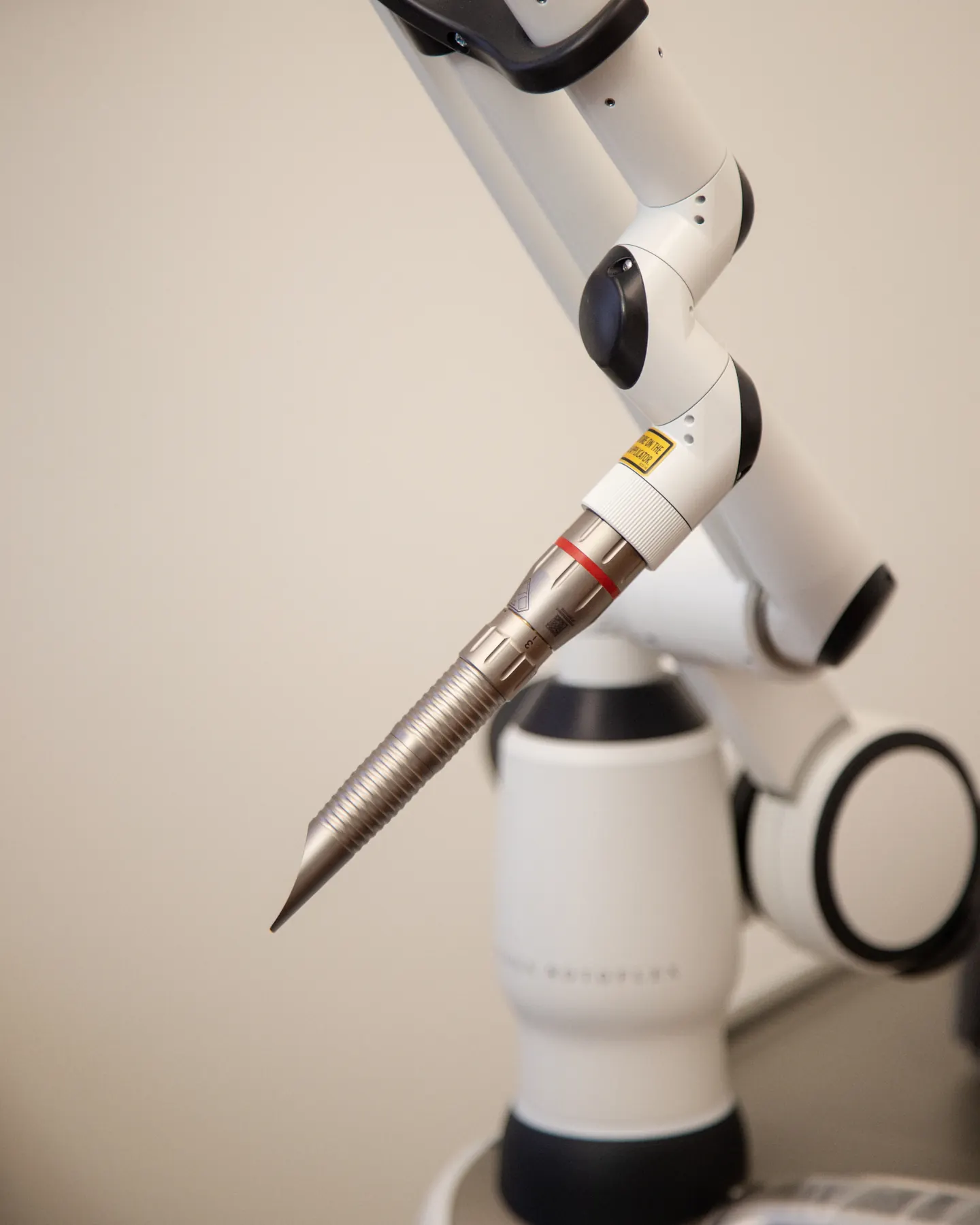
The appeal of non-surgical facial rejuvenation has changed over the last few years. Patients still want smoother skin, better tone, and a fresher look, but many are no longer chasing a dramatically altered face. What they ask for instead is more nuanced. They want to look rested, less drawn, less crepey around the mouth and eyes, and more like themselves on a very good week. That is exactly where the Fotona 4D Laser Facial (TimeWalker) tends to shine.
This treatment sits in an interesting space between a traditional facial and a more aggressive resurfacing procedure. It is not a spa treatment, despite the word “facial” making it sound gentle and purely cosmetic. At Fotona 4D Laser Facial (TimeWalker) the same time, it is not the kind of ablative laser session that leaves someone hiding indoors for two weeks. The value of Fotona 4D lies in how it layers different modes of laser energy to target several age-related concerns in one appointment, often with manageable downtime.
Patients are often surprised by how comprehensive it is. The treatment works from inside the mouth as well as on the outer skin, which sounds unusual until you understand what it is trying to accomplish. Aging does not happen on the surface alone. The support structures soften, collagen quality drops, skin texture becomes rougher, and the lower face can start to look less defined. A good treatment plan has to address more than one level of the tissue. TimeWalker was designed with that principle in mind.
What the treatment actually is
Fotona 4D is a multi-step laser protocol performed with the Fotona laser platform, and TimeWalker is one of the branded treatment concepts built around that technology. The name “4D” refers to the four dimensions or stages of treatment, each using a different mode to target tissue in a different way. Instead of relying on one pass and one endpoint, the session stacks controlled thermal stimulation and resurfacing effects.
In practice, that means a provider can work on tightening from the inside of the oral cavity, then move to deeper heating over the skin, and finally refine the surface for improved texture and radiance. The treatment is less about a single dramatic event and more about orchestrating several smaller, complementary effects that add up to a noticeable refresh.
That layered approach is one reason the results can look natural. When the tissue is treated at different depths, the improvement tends to read as healthier, firmer, and more rested rather than overtly “done.” For the right patient, that is a major advantage.
Why the inside of the mouth matters
One of the most distinctive parts of a Fotona 4D Laser Facial (TimeWalker) is the intraoral step. During this phase, the laser is used inside the mouth, most often along the cheeks and around the perioral area. Patients are often skeptical when they first hear this. Then they understand the logic.
The inside-out approach targets tissue where collagen support has weakened, particularly around the nasolabial folds, marionette lines, and lower face. By heating these deeper layers through the mucosal surface, the treatment can encourage tightening and support where external-only treatments may be more limited. It is not the same as adding volume with filler, and it does not replace surgery in someone with advanced laxity. What it can do is improve the quality and firmness of the tissue in a subtle but meaningful way.
Clinically, this tends to be most satisfying in patients who are noticing the early signs of facial descent or softening but are not ready for injectables, a thread lift, or surgery. It also pairs well with those options when a patient wants a broader collagen-based treatment plan.
The four parts of Fotona 4D, in real terms
The technical names matter less to patients than the lived experience and expected benefit, but understanding the sequence helps explain why the treatment covers so much ground.
The first phase usually focuses on the intraoral tightening mentioned above. The second phase tends to deliver deeper thermal stimulation externally, targeting collagen remodeling and soft tissue tightening. The third phase often aims at more superficial imperfections such as uneven texture, enlarged pores, and fine lines. The fourth and final phase gives the skin a polished finish, improving tone and brightness.
What is important here is not memorizing the brand names of each step. It is recognizing that TimeWalker does not ask one energy setting to do everything. A provider can adjust fluence, pulse settings, passes, and emphasis based on the patient in the chair. Someone bothered most by early jowling and lower-face heaviness may need a different emphasis than someone whose primary concern is etched lines around the mouth and a dull, rough skin surface.
That flexibility is one of the reasons experienced practitioners like the platform. It allows for a more individualized treatment rather than a one-size-fits-all laser appointment.
What concerns it can realistically improve
Marketing language around aesthetic treatments often overreaches. Fotona 4D works best when expectations are clear and specific.
It can help soften fine lines, especially around the mouth and cheeks. It can improve skin texture, which patients describe as smoother makeup application and less roughness when they wash their face. It can also brighten tone and reduce that slightly tired, flat quality that creeps in with age and cumulative sun exposure. In some patients, there is mild to moderate tightening of the lower face and a subtle lift effect around the cheeks and jawline.
What it does not do is replace a facelift, fully erase deep static folds, or remove significant excess skin. If a patient has substantial jowling, a heavy neck, or deeply established volume loss, laser alone will not recreate youthful architecture. In those cases, Fotona 4D can still play a valuable supporting role, but not as a solitary answer.
The happiest patients tend to be those with early to moderate changes who want visible improvement without dramatic downtime. A woman in her forties with crepey skin around the mouth and mild laxity often responds beautifully. So does a man in his fifties who does not want injectables but wants to look less worn out in meetings and photographs. On the other hand, someone expecting a surgical-level change after one session is almost always setting themselves up for disappointment.
What a session feels like
The treatment experience is more comfortable than many people expect, though comfort varies with settings, skin sensitivity, and the provider’s technique. During the intraoral phase, there is a warming sensation inside the cheeks. It feels unusual more than painful. The external tightening passes often feel hot, with brief moments of prickling or snapping heat. The superficial resurfacing component can feel sharper, especially over thinner skin or bony areas.
Most patients do not describe it as relaxing, but many tolerate it well without significant intervention. Some clinics use topical anesthetic for part of the procedure, while others may rely on cooling, careful pacing, or oral comfort measures depending on the treatment intensity. Recovery is usually straightforward. Mild redness and a sensation similar to a sun-warmed face are common. If the resurfacing component is more assertive, there may be swelling, roughness, or a bronzed texture for a few days.
One detail patients appreciate is that the treatment can often be tailored to the amount of downtime they can accept. A lighter session before an event season is different from a stronger corrective treatment planned around a quieter week. That flexibility is practical, and in aesthetic medicine practical matters a great deal.
Downtime, social recovery, and when you will see results
This is where nuanced counseling matters. “No downtime” is a phrase that gets thrown around too loosely in aesthetics. A better term for many Fotona 4D treatments is “limited downtime.” Some people leave pink and are comfortable returning to work the next day. Others, especially after more aggressive surface passes, may want several days before social plans.
Texture changes can persist briefly as the skin renews itself. That may mean dryness, roughness, or a faint sandpapery feel. Makeup often sits better after that phase has passed, not during it. Most patients notice an early glow within days to a week, but true collagen remodeling takes longer. Improvements in firmness and softening tend to develop gradually over several weeks and continue evolving for a few months.
This timeline can frustrate patients who are accustomed to instant filler results. Laser is often a slower reward. It asks for some patience, but the payoff can be a more integrated, skin-quality-based improvement that does not depend on adding volume or freezing motion.
Who tends to be a good candidate
Candidacy depends on skin concerns, skin type, medical history, and expectations. TimeWalker can be attractive for patients who want rejuvenation without needles or surgery, although many ultimately combine it with other treatments. It is particularly useful for those who feel their skin quality has declined and who have started to notice mild laxity, etched lines, or a loss of crispness around the lower face.
There are also patients who are technically candidates but poor fits for logistical reasons. Someone planning a beach holiday next week, someone unable to follow strict sun precautions, or someone in the middle of a breakout or active inflammatory skin condition may need to postpone. The same is true for those using photosensitizing medications or certain topical agents, depending on the protocol.
Skin tone deserves thoughtful evaluation. Laser suitability varies by wavelength, settings, and the depth of treatment. A skilled practitioner should be comfortable discussing pigment risk honestly. In the wrong hands, chasing aggressive results too quickly can increase the chance of post-inflammatory hyperpigmentation, especially in darker skin tones or in patients with a history of reactive pigmentation. Conservative settings and proper preparation can make a major difference.
Why provider skill matters more than the brochure
A sophisticated platform is only as good as the judgment behind it. This is especially true with combination laser treatments. The machine does not decide how hard to push, when to back off, which phase to prioritize, or when a patient’s anatomy calls for a different plan entirely.
I have seen excellent results from providers who understand facial aging three-dimensionally and underwhelming results from providers who simply run through a preset sequence. The difference is not subtle. A good clinician looks at the skin, yes, but also at movement, tissue density, baseline hydration, degree of laxity, and the patient’s tolerance for recovery. They know when the lower face needs more structural collagen stimulation and when the skin surface is the real culprit. They know when another modality would likely outperform laser, and they say so.
That honesty matters. A patient with advanced lower-face sagging may hear the words “tightening laser” and imagine a mini facelift. A strong provider will reframe the expectation before treatment begins.
How it compares with other rejuvenation options
Fotona 4D occupies a middle ground. It is more substantive than omniawellnesscenterencino.com Fotona 4D Laser Facial (TimeWalker) a facial, more layered than many single-mode laser treatments, and generally less disruptive than fully ablative resurfacing. It also differs from radiofrequency microneedling, IPL, and injectables in ways that matter.
Injectables change contour and muscle activity. Laser improves tissue quality and stimulates remodeling. Radiofrequency microneedling can be excellent for texture and some tightening, but it does not offer the same intraoral component. IPL is often useful for redness and pigment, but it is not a laxity treatment. Ablative CO2 can produce stronger resurfacing for etched lines and sun damage, but usually with more downtime and a different risk profile.
Sometimes the smartest plan is combination care. A patient with dynamic forehead lines, volume loss in the midface, and rough texture may do best with neuromodulator, a conservative amount of filler, and a laser series rather than trying to force one treatment to handle every complaint. A refreshed face is usually the product of strategy, not a miracle device.
What aftercare actually requires
Aftercare is not glamorous, but it influences the outcome more than patients like to think. Skin that has been heated and resurfaced needs support. The basics are simple: gentle cleansing, bland hydration, sun protection, and restraint. This is not the moment for exfoliating pads, retinoids, or trying a new active serum because it arrived in the mail.
For the first several days, many patients do best with a minimalist routine:
- A mild cleanser used with lukewarm water.
- A non-irritating moisturizer applied as often as needed.
- Broad-spectrum sunscreen every morning, with reapplication if outdoors.
- No scrubs, acids, retinoids, or picking at rough skin.
- Limited heat exposure, including saunas and intense workouts, if the provider advises it.
The reason for keeping it simple is straightforward. Over-treated post-laser skin becomes irritated quickly, and irritation can prolong redness or increase pigment risk. Patients who heal most smoothly are often the least adventurous with products for that first week.
How many sessions are usually needed
A single session can produce visible improvement, especially in brightness and texture, but a series is often recommended for more meaningful collagen remodeling. Depending on the patient’s goals, clinicians may suggest three to four sessions spaced several weeks apart, followed by maintenance once or twice a year. That is a broad range, not a rule.
What matters is the endpoint. Someone preparing for a wedding or reunion may want one polishing treatment with modest tightening. Someone trying to address cumulative changes over several years will usually need a more deliberate course. It helps to think of Fotona 4D as a collagen program rather than a one-time event.
There is also a practical budgeting issue here. Patients sometimes compare the price of a laser series with a single syringe of filler and assume the latter is more economical. But they are not solving the same problem. If the chief complaint is crepey, sun-damaged, tired-looking skin, the comparison is misleading. Spending money on the wrong category of treatment is never a bargain.
The trade-offs patients should know before booking
Every aesthetic treatment involves compromise. With Fotona 4D Laser Facial (TimeWalker), the main trade-off is between subtlety and intensity. The results can look natural and refined, but they are usually not theatrical. If someone wants dramatic lifting or instant structural change, this may not satisfy them on its own.
There is also the matter of timing. Because collagen takes time to remodel, the best results are delayed. For many people that is acceptable, even preferable, because the improvement unfolds gently. For others, especially event-driven patients seeking a fast transformation, the pace feels too slow.
Then there is variability. Response depends on age, baseline collagen health, sun exposure history, smoking status, hormonal changes, and genetics. Two patients can receive the same treatment and heal differently. That is not a defect of the technology. It is simply how biologic remodeling works.
A more refreshed look, not a different face
The strongest aesthetic treatments are often the ones that make other people pause for a second and think you seem well rested, healthier, or somehow more polished without knowing why. That is the lane where TimeWalker performs best. It is not about turning back twenty years in a single afternoon. It is about improving tissue quality, supporting collagen, and softening the visual noise that accumulates on the face over time.
When patients are chosen well, when the provider understands both the technology and the anatomy, and when expectations are grounded, the Fotona 4D Laser Facial (TimeWalker) can be a very smart option. It offers a believable kind of rejuvenation, one that respects the face you already have.
For many people, that is the real goal. Not younger in an obvious way. Just fresher, stronger, and a little less tired when the mirror catches you in unforgiving light. That kind of improvement is subtle, but it carries remarkably well.
OMNIA Wellness Center
Address: 16430 Ventura Blvd Ste 207, Encino, CA 91436
Phone: (818) 386-8511
FAQ About Fotona 4D Laser Facial (TimeWalker)
What are the benefits of Fotona laser treatment?
OMNIA offers this treatment for concerns such as uneven texture, dull tone, and fine lines. Results and the number of sessions vary, so discuss your goals with a provider.
Is Fotona laser safe?
A qualified provider should review your skin, medical history, medications, and recent sun exposure to determine whether the treatment is appropriate. Ask about possible irritation, pigment changes, and aftercare before booking.
How much does a Fotona 4D facelift cost?
Price depends on the treatment plan and number of visits. Ask OMNIA for an itemized estimate during your consultation.