Fotona 4D Laser Facial (TimeWalker) for a Subtle Anti-Aging Boost
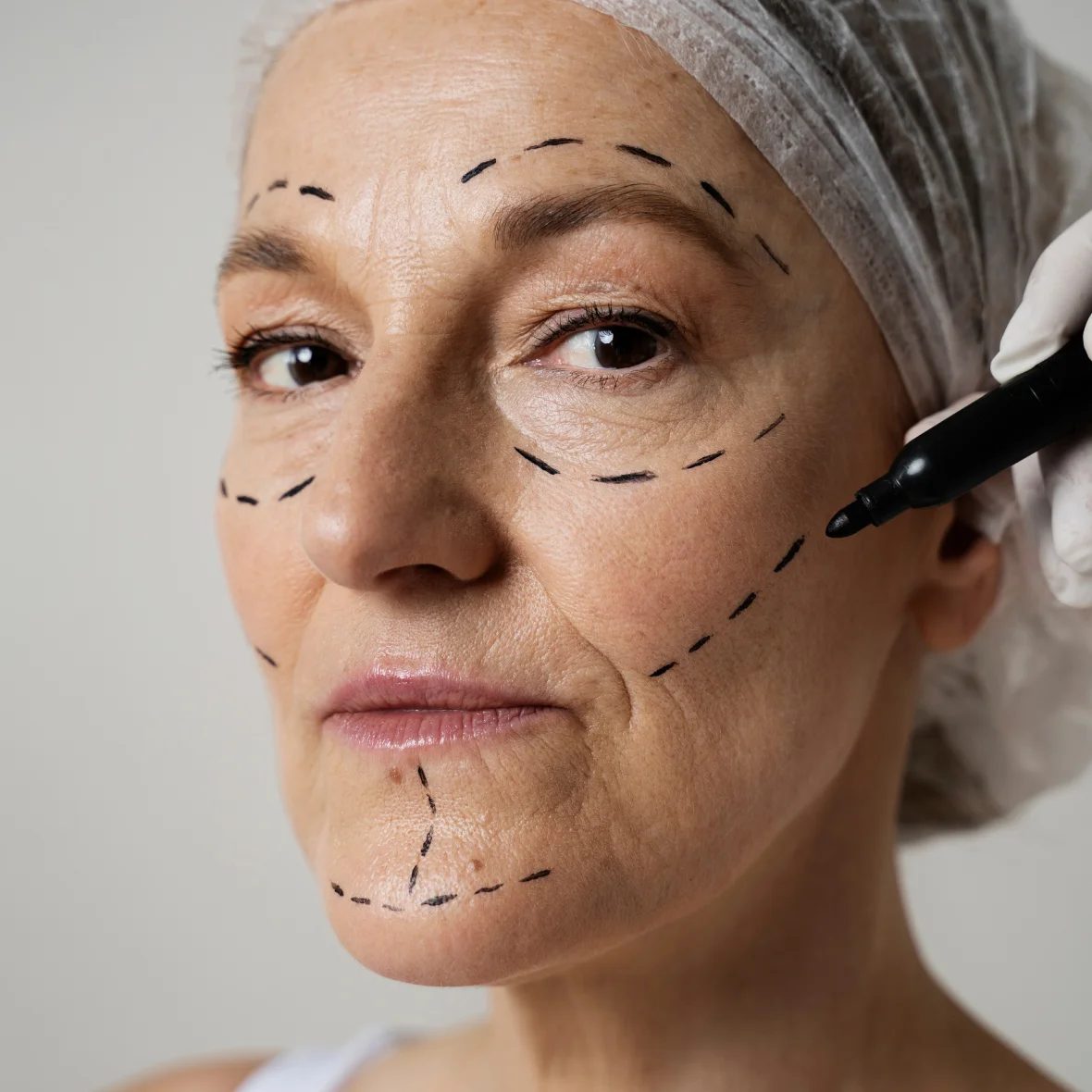
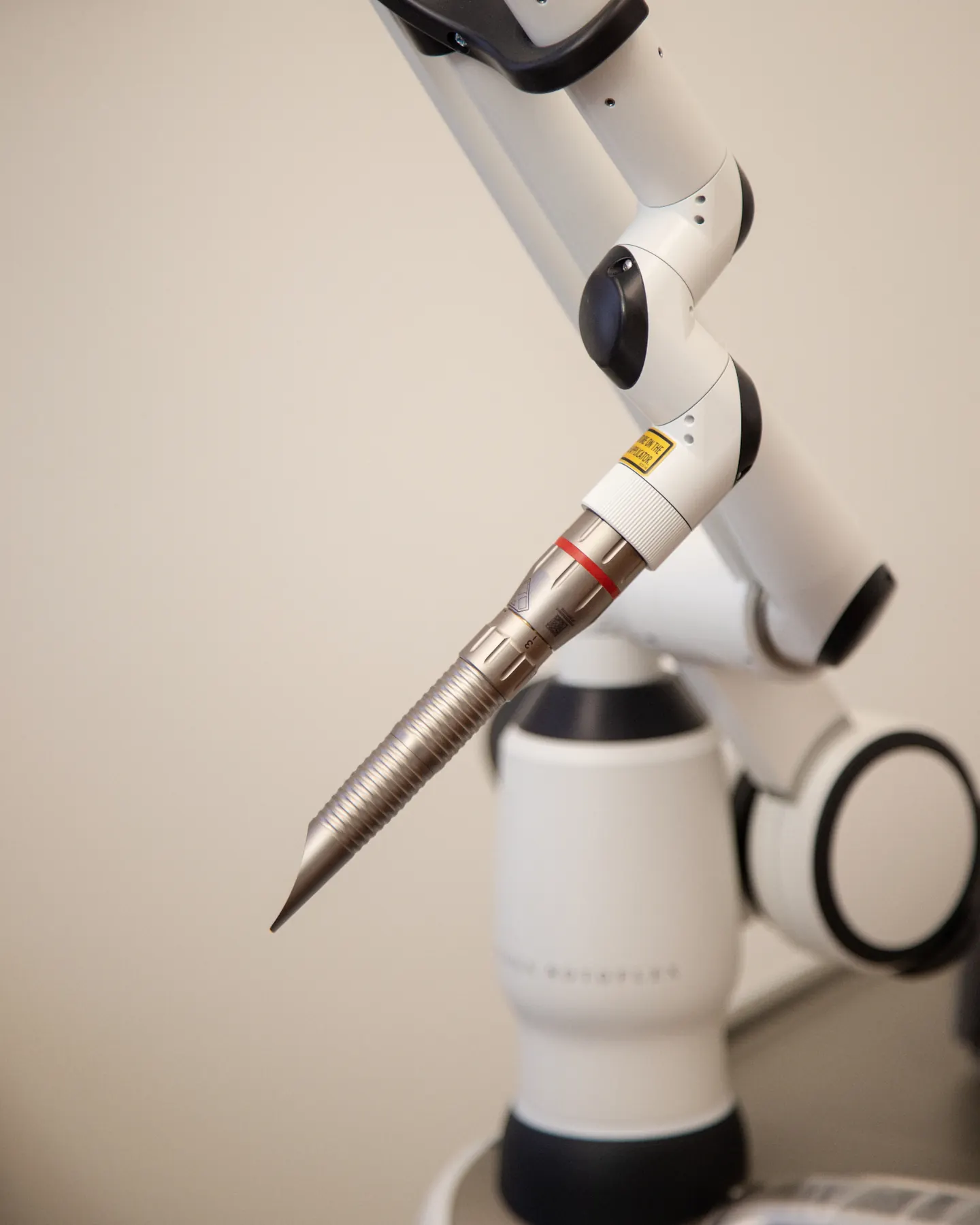
There is a large middle ground between good skincare and surgery, and that is exactly where the Fotona 4D Laser Facial (TimeWalker) tends to shine. It appeals to people who still look like themselves, still feel generally happy with their features, but have started noticing softer definition along the jawline, crepey texture around the mouth, tired-looking skin under the eyes, or the kind of overall facial laxity that makes the face look less rested than it used to.
What makes this treatment especially interesting is not one dramatic effect, but the layering of several modest effects that add up. Better tone. Mild tightening. Fresher texture. A little more bounce. Slight softening of fine lines. None of that sounds flashy in isolation. Together, when done well and on the right patient, it can create the kind of improvement people often describe as, “You look well,” rather than, “What did you have done?”
That subtlety is the point.
What the treatment actually is
Fotona 4D is a multi-step laser treatment designed to address the skin both from the inside of the mouth and from the outside of the face. The platform is often associated with Fotona’s TimeWalker technology and protocols, and while settings and exact sequencing can vary by clinic, the core idea is consistent: use different laser modes and depths to stimulate collagen, tighten tissue, and improve skin quality without surgery.
The “4D” label refers to four treatment dimensions or passes, each targeting a different layer or concern. In practical terms, patients are usually receiving a combination of intraoral tightening, deeper dermal heating, Fotona 4D Laser Facial (TimeWalker) fractional resurfacing, and a more superficial polishing pass. That combination is what separates it from a single-mode laser treatment.
The inside-the-mouth portion tends to surprise first-time patients. It sounds more intense than it usually feels, but it serves a purpose. By heating tissue from the oral cavity, the provider can target areas such as the nasolabial region and lower face support without breaking the skin surface there. On the outside, the remaining steps work through different depths to encourage tightening and improve texture.
Done skillfully, it is a layered treatment, not a one-note one.
Why people choose it instead of jumping to something more aggressive
Many patients are not ready for injectables in multiple facial areas, and they are certainly not ready for a facelift. They may also be wary of treatments that leave them red, swollen, or flaky for a week. The appeal of Fotona 4D Laser Facial (TimeWalker) is that it sits in a pragmatic place. It can provide visible improvement with less downtime than more aggressive resurfacing and with a broader skin-quality effect than a single injectable can offer.
That does not mean it replaces surgery or performs miracles. It does not. If someone has significant jowling, pronounced skin redundancy, or deep folds driven primarily by volume loss and structural descent, this treatment will likely help only modestly. But for early to moderate aging changes, it can be a smart intervention. I have seen it make the most sense for people in their late thirties through fifties who are noticing the first real signs that skincare alone is no longer doing enough.
There is also a psychological reason patients like it. It feels preventive without being passive. They are doing something substantial, but not committing to a dramatic change.
The four parts, and what each one contributes
The names used in different clinics may vary slightly, but the treatment typically combines four distinct stages.
SmoothLiftin is the intraoral component. A laser handpiece is used inside the mouth to heat mucosal tissue and stimulate collagen from within. This step is often aimed at the perioral area, smile lines, and lower face support. Patients usually expect this to be the worst part, but many describe it as warm and odd rather than painful.
FRAC3 is generally used to target deeper imperfections in a controlled pattern. It can help with uneven texture, enlarged pores, and superficial pigment irregularities, though it is not mainly a pigment treatment. Think of it as part of the quality-improvement layer.
PIANO mode delivers bulk heating to deeper tissues. This is where much of the tightening effect is pursued. The heat needs to be controlled and intentional. Too conservative, and results underwhelm. Too aggressive, and comfort and recovery become more difficult.
SupErficial, sometimes used as the finishing stage, lightly resurfaces and polishes the outer layer for improved texture and brightness. This is often what gives the face that fresher, slightly smoother look in the days after treatment.
What matters in practice is not memorizing the brand names. It is understanding that the protocol works because it combines internal support, deep heating, and external refinement. If one of those pieces is skipped or diluted too much, the outcome may be less impressive.
What a session feels like in real life
The treatment experience depends on the clinic’s protocol, the provider’s style, and whether numbing is used. Many practices apply topical anesthetic before the external passes, while the intraoral portion may or may not require much preparation. Some providers move deliberately and conservatively. Others work closer to the higher end of tolerable energy to maximize collagen stimulation.
A full session often takes somewhere around 45 to 90 minutes. The face may be cleansed thoroughly, photographed, and mapped before treatment starts. During the intraoral stage, patients often notice warmth in the cheeks and around the mouth. During deeper heating, the Fotona 4D Laser Facial (TimeWalker) sensation can build. It is usually described as very warm with occasional sharper flashes, especially over thinner skin or bony areas. The resurfacing portion can feel more prickly.
Immediately after, the skin may look flushed, almost as though you have spent too much time in dry heat or after a vigorous workout. Mild swelling is common, especially around the lower face. Some patients feel tautness right away, though early tightness should not be confused with final collagen remodeling.
I often tell people to expect the day-of reaction to look more dramatic than the final effect. Redness can make the skin appear freshly treated and temporarily smoother. The true result unfolds more slowly.
The kind of results you can reasonably expect
This is where good counseling matters. Subtle anti-aging is not the same thing as no result, but it is also not dramatic correction. Patients who understand that distinction tend to be happiest.
The most believable improvements tend to be in overall skin quality and mild tightening. Texture can look more refined. Fine lines around the mouth and cheeks may soften. The lower face can appear a little firmer. Skin often reflects light better, which is one of the least discussed and most flattering changes after collagen-stimulating treatments. A face that catches light evenly usually looks healthier and less tired.
Results are not always immediate. There may be a transient glow or tightening in the first week, but collagen remodeling generally takes longer. Many patients notice more meaningful changes over one to three months, sometimes longer. Some clinics recommend a series of treatments, commonly spaced several weeks apart, especially if the goal is cumulative improvement rather than a one-time refresh.
The degree of change varies a lot with age, skin thickness, baseline laxity, sun damage, and energy settings. A 42-year-old with mild textural aging and slight lower-face looseness may see a satisfying improvement. A 62-year-old with significant skin laxity may appreciate the glow and refinement but still feel underwhelmed if expecting lift.
Expectation management is not a side issue here. It is central to whether the treatment feels worthwhile.
Who tends to be a good candidate
The best candidate is someone who wants incremental improvement and values low to moderate downtime. They may not want injectables, may want to complement injectables, or may simply prefer a collagen-focused treatment rather than one that mainly adds volume.
It can be particularly useful for patients concerned about early jowling, crepey texture, smoker’s lines, roughness around the cheeks, or a generally less elastic look. It is often chosen by people who want a treatment that does not radically change facial shape.
The less ideal candidate is someone looking for major lifting, strong wrinkle erasure, or correction of heavy sagging. It is also a poor fit for people who want the cheapest route to visible change, because a true Fotona 4D protocol is not usually inexpensive, and results often depend on a thoughtful series rather than a single discounted session.
Candidacy also depends on skin type, recent sun exposure, active skin conditions, and medical history. Patients with active infections, irritated barrier function, certain photosensitizing medications, or a tendency toward poor healing need careful screening.
Skin tone, safety, and the importance of operator skill
Laser conversations too often get reduced to the machine itself, as though owning the platform guarantees the outcome. It does not. With Fotona 4D Laser Facial (TimeWalker), technique, settings, and patient selection are at least as important as the device name.
Safer treatment across a range of skin tones is possible, but not every provider has equal experience with this. This matters. Darker skin tones require careful parameter choices to reduce the risk of post-inflammatory hyperpigmentation. That risk may still be acceptable, but it should be discussed honestly. A provider who is vague about pigment risk or who rushes through the consultation is a red flag.
Good operators also know when not to chase aggressive settings. Patients sometimes assume higher energy automatically means better results. In reality, overtreatment can increase downtime and complications without producing better long-term remodeling. The art is finding enough heat and enough coverage to create a response while respecting the individual skin.
If you are evaluating clinics, one of the most useful questions is not simply, “Do you offer this?” but, “How often do you perform this exact protocol, and what changes should I realistically expect with my face and skin quality?”
Downtime is usually manageable, but not zero
One reason this treatment is popular is that downtime is often easier than with more aggressive ablative procedures. Still, “minimal downtime” can be a misleading phrase because it means different things to different people.
For some patients, downtime is a few hours of redness and perhaps minor swelling by the next morning. For others, particularly after a stronger resurfacing pass, the skin may feel dry, rough, and look slightly bronzed or flushed for several days. Makeup may be fine the following day for some, but others prefer to wait a bit longer depending on sensitivity.
If a patient has a major event in two days and wants to look photo-ready, I usually think that is too tight a timeline unless they are already familiar with how their skin reacts. A safer approach is to allow at least several days, and ideally a week, before anything important.
There is also the social downtime that clinics do not always quantify well. You may technically be able to return to work the next day, but you may still look treated. That distinction matters to many people.
Practical aftercare makes a difference
Aftercare is straightforward, but it should not be casual. The skin barrier can be temporarily more vulnerable, and neglecting it can prolong redness or irritation.
The basics usually include the following:
- Use a bland, barrier-supportive moisturizer and gentle cleanser for several days.
- Avoid exfoliants, retinoids, strong acids, and active irritation until the skin is calm.
- Protect the skin from sun exposure carefully, ideally with a broad-spectrum sunscreen and physical shade.
- Skip intense heat, hard exercise, saunas, and steam for at least a day or two if advised.
- Follow the clinic’s product instructions rather than layering on your usual routine immediately.
These steps are simple, but they influence comfort and, sometimes, outcome. Patients who return to retinoids the same night or spend the next day in direct sun often learn that the hard way.
How it compares with other anti-aging treatments
A useful way to think about this treatment is to compare what it does best with what other categories do best.
Neuromodulators such as Botox work on dynamic wrinkles caused by muscle movement. They do not tighten skin texture in the same broad way. Fillers restore or reshape volume. They can be excellent, but they are not a substitute for improving the actual skin envelope. Microneedling and radiofrequency microneedling can stimulate collagen and refine texture, though they work differently and carry their own trade-offs in comfort, downtime, and suitability. More aggressive ablative lasers may produce stronger resurfacing, but usually with more recovery and more risk.
Fotona 4D sits in a hybrid position. It is not the strongest choice for any single issue, but it can address several mild to moderate concerns in one session. That is its real advantage.
I often describe it as the treatment for the person whose complaint is not one deep wrinkle or one specific hollow, but a general sense that the face has become less crisp, less smooth, and less alive.
Cost, value, and why cheap pricing can be misleading
Prices vary widely by geography, provider experience, and how complete the protocol really is. A single treatment may cost several hundred to over a thousand dollars, and series packages can climb well beyond that. That range may feel frustratingly broad, but it reflects a real difference in execution.
A bargain treatment advertised under a familiar brand name may not be the full protocol, may use conservative settings, or may be delegated in a way that reduces consistency. On the other hand, the most expensive clinic is not automatically the most skilled.
Value depends on whether the treatment plan matches the problem. If someone needs surgical lifting and spends a significant sum chasing non-surgical tightening, that is poor value even if the treatment is done well. If someone wants a fresher, modestly firmer face with limited downtime, then a thoughtful series may feel entirely worthwhile.
This is one of those treatments where honesty during the consultation matters more than marketing language. A provider who says, “You will look a bit better, not ten years younger,” is often the provider to trust.
The subtle anti-aging sweet spot
What stands out most about the Fotona 4D Laser Facial (TimeWalker) is that it respects restraint. Not every aesthetic treatment should scream results. A lot of the best work in facial rejuvenation happens in that quieter zone where skin looks tighter, fresher, and more rested without appearing altered.
That subtle anti-aging effect is not accidental. It comes from combining collagen stimulation across different tissue planes, pacing treatment properly, and choosing patients whose concerns line up with what the technology does well. The treatment is rarely the right answer for severe aging changes. It can, however, be an excellent answer for early laxity, mild textural decline, and the desire to age more gracefully without obvious intervention.
The patients who appreciate it most are usually the ones who understand that beauty often improves by degrees. A little more firmness around the mouth. A little less dullness in the cheeks. Slightly finer texture near the eyes. Better light reflection. A healthier overall look. Those changes do not always photograph dramatically on day one, but in person they can make the face read as more vibrant and less fatigued.
That is why this treatment has remained relevant even in a crowded field. It offers a professional, credible option for people who want more than a facial and less than a major procedure. When the indication is right and the provider is skilled, subtle is not a compromise. It is the result.
OMNIA Wellness Center
Address: 16430 Ventura Blvd Ste 207, Encino, CA 91436
Phone: (818) 386-8511
FAQ About Fotona 4D Laser Facial (TimeWalker)
What are the benefits of Fotona laser treatment?
OMNIA offers this treatment for concerns such as uneven texture, dull tone, and fine lines. Results and the number of sessions vary, so discuss your goals with a provider.
Is Fotona laser safe?
A qualified provider should review your skin, medical history, medications, and recent sun exposure to determine whether the treatment is appropriate. Ask about possible irritation, pigment changes, and aftercare before booking.
How much does a Fotona 4D facelift cost?
Price depends on the treatment plan and number of visits. Ask OMNIA for an itemized estimate during your consultation.