How Fotona 4D Laser Facial (TimeWalker) Can Refresh Tired-Looking Skin in Encino, CA
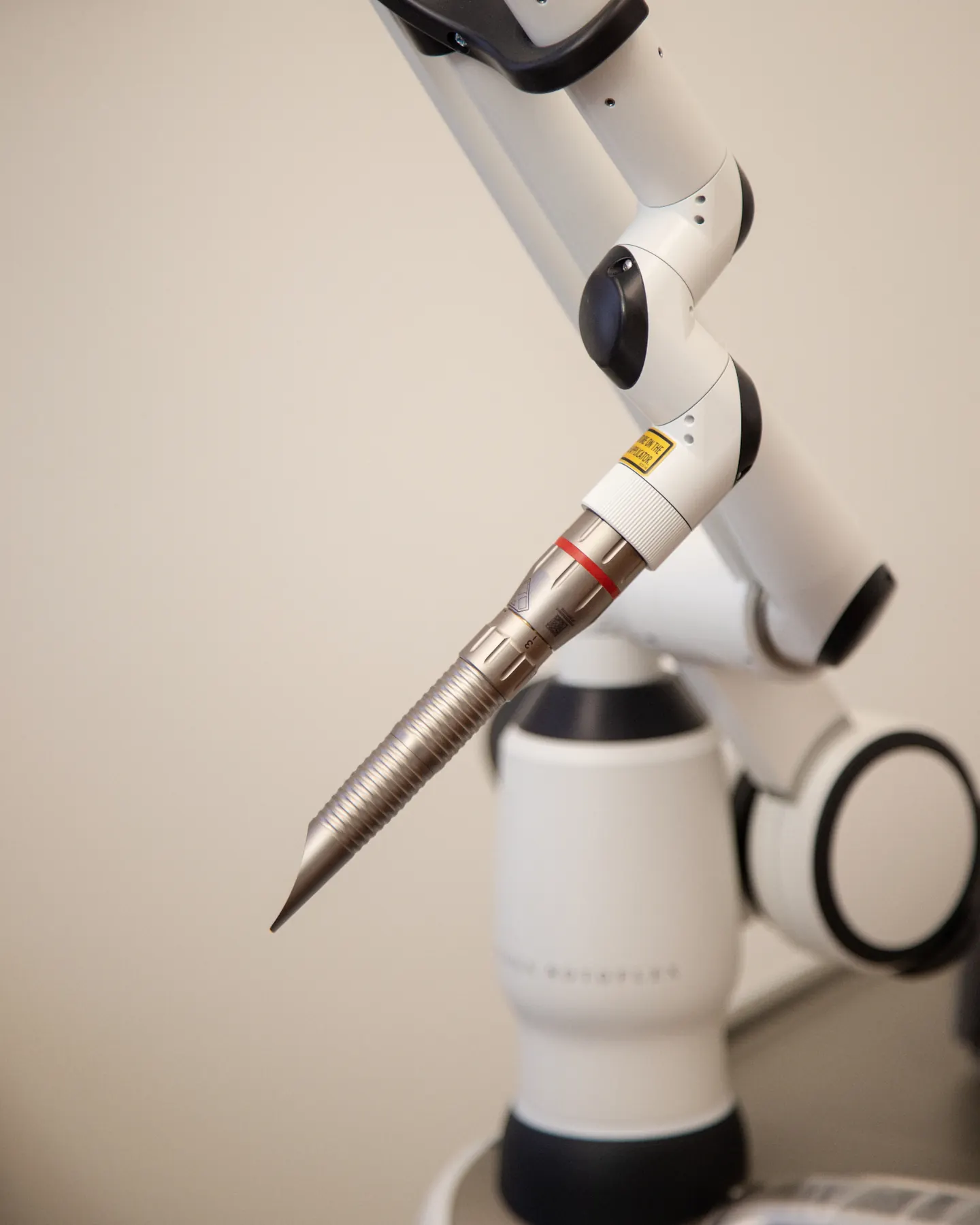
There is a specific kind of fatigue that shows up in the mirror before it shows up anywhere else. It settles around the eyes, softens the cheeks, dulls the skin’s bounce, and creates that familiar comment people in Encino hear all the time: “You look tired.” Often, the problem is not a dramatic wrinkle or a major change in facial structure. It is a gradual loss of brightness, firmness, and definition that makes the face look worn even when you feel fine.
That is exactly where a Fotona 4D Laser Facial, often associated with the TimeWalker platform, tends to shine. It occupies a useful middle ground. It is more active than a hydrating facial and more layered than a single light laser pass, but it usually does not demand the kind of downtime people associate with aggressive resurfacing. For patients who want fresher-looking skin without looking overdone, it can be a very practical option.
In Encino, that matters. Many patients want improvement they can see in daylight, at work, in the carpool line, or at dinner on Ventura Boulevard, but they do not want a week or two of hiding out. They want skin that looks rested, cleaner, tighter, and more awake. They also want treatments that fit real schedules. A well-planned Fotona 4D Laser Facial (TimeWalker) Encino, CA approach can meet that need, especially when the skin looks tired because of early laxity, textural roughness, mild volume loss, or crepey change around the mouth and eyes.
Why tired-looking skin happens even when you are taking care of yourself
Patients are often surprised by how much “tired skin” has to do with structure and light reflection rather than just dryness. Yes, lack of moisture can make skin look flat. But in practice, fatigue usually shows up because collagen support has thinned, circulation and turnover have slowed, pores and fine lines scatter light unevenly, and the skin no longer rebounds the way it did a few years ago.
In the San Fernando Valley, several local habits can magnify that effect. Sun exposure is the obvious one. Even people who are careful with sunscreen often have years of cumulative incidental exposure from walking, driving, errands, and outdoor exercise. Heat also plays a role. Warm weather can increase redness and make pores look more obvious. Fotona 4D Laser Facial (TimeWalker) Encino, CA omniawellnesscenterencino.com Add inconsistent sleep, stress, and the natural aging process, and the face starts to look less crisp.
This is why patients sometimes feel frustrated after trying products alone. They may have excellent skincare, medical-grade serums, and regular facials, yet they still look slightly deflated or dull. Topicals help surface quality and hydration, but they cannot fully reproduce the tightening and remodeling that device-based treatments can encourage deeper in the skin.
What a Fotona 4D Laser Facial actually is
The name can sound more futuristic than it needs to. At its core, a Fotona 4D treatment is a multi-step laser facial designed to address different layers of the skin and soft tissue in a single session. Rather than relying on one setting and one depth, it combines several modes to work inside the mouth, on the skin surface, and in the deeper dermal structures.
That “4D” idea is important. Tired-looking skin rarely comes from a single issue. Someone may have a little looseness along the jawline, creasing around the mouth, rough texture on the cheeks, and a generally flattened tone. One-dimensional treatment can help, but layered treatment often gives a more complete result.
A typical TimeWalker-based Fotona 4D session may include an intraoral component that treats from inside the mouth to support tissue around the nasolabial area, a deeper tightening step to create controlled heat in collagen-rich layers, a fractionated pass to improve texture and surface quality, and a final polishing step that gives the skin a smoother, more radiant look. The exact sequence varies by provider, skin type, goals, and tolerance.
The reason patients like this format is simple. It aims to produce a rested effect without relying on a dramatic endpoint like peeling sheets of skin or obvious crusting. You are trying to nudge the tissue toward better function and better light reflection, not merely strip the top off and hope for the best.
How it helps the face look more awake
A good laser facial should not make someone look like a different person. It should make the face read differently. That distinction matters.
When the skin is smoother and denser, light reflects more evenly. Fine lines around the mouth catch less shadow. Mild laxity in the cheeks and lower face appears softer. The under-eye area can look less heavy indirectly if the midface and upper cheek look firmer and brighter. Around the lips, the skin may appear less crinkled, which can make the whole lower face seem less tired.
This is one of the reasons practitioners often recommend Fotona 4D to patients who are not ready for injectables, are trying to delay more invasive treatments, or simply prefer a treatment that builds gradually. The changes tend to look integrated. Friends may say you look refreshed or ask if you changed your skincare or got more sleep. That is usually the sweet spot.
It is also worth noting what this treatment does not do. It does not replace surgery in someone with significant laxity. It does not create the same immediate structural correction as well-placed filler in a hollow temple or under-eye trough. It is not the strongest option for very deep pigment or severe acne scarring. It can improve all of those to a degree in the right setting, but it works best when the goal is rejuvenation through tightening, smoothing, and brightening rather than dramatic reshaping.
The “inside-out” advantage people rarely expect
One aspect of Fotona 4D that often surprises patients is the intraoral step. Treating inside the mouth can sound unusual at first, but in experienced hands it makes sense anatomically. The cheeks and perioral tissues are not just a surface issue. Some of the early sagging and folding that make the face look fatigued come from support loss in deeper structures.
By applying controlled laser energy intraorally, the provider can target tissue support in a way that external-only treatments do not fully replicate. Patients often describe this step as odd but manageable. It is usually brief, and it contributes to that subtle improvement around the smile lines and lower cheeks that helps the face look less drawn.
This is also where technique matters. A rushed or generic treatment is not the same as a carefully tailored one. Providers who understand facial aging patterns can adjust emphasis depending on whether the patient’s “tired” look is coming more from perioral crinkling, cheek descent, skin crepiness, or general loss of luminosity.
What treatment day usually feels like
Most patients want an honest answer here, not marketing language. A Fotona 4D Laser Facial is typically very tolerable, but “comfortable” means different things to different people. You can expect warmth, prickling, and short bursts of heat. Some portions feel easier than others. The intraoral step feels strange rather than painful for most people. The deeper tightening passes may create a snapping or hot sensation, especially in thinner areas.
Numbing may or may not be used depending on the specific settings and provider preferences. Sessions commonly run somewhere around 45 minutes to a little over an hour, though timing varies.
Afterward, many people are pink, mildly warm, and a bit puffy, especially in more sensitive areas. That usually settles over the next day or two. The skin may feel dry or rough for several days as turnover increases. Makeup is often possible fairly quickly, but instructions differ based on treatment intensity.
For busy Encino patients, that low-profile recovery is a major draw. You can often schedule around work and social commitments without the kind of downtime that makes every errand feel like a public event.
Who tends to be a strong candidate
The best candidates are not always the oldest patients. In fact, some of the happiest are in the early intervention group, people who are noticing they no longer look as rested as they used to, even though the changes are still relatively mild.
A strong candidate often has one or more of these concerns:
- early skin laxity in the cheeks, jawline, or around the mouth
- fine lines and crepey texture that create a worn look
- dullness and uneven surface quality
- enlarged pores or roughness that scatter light
- a desire for visible refreshment without injectable-heavy correction or long downtime
This does not mean everyone qualifies automatically. Skin type, recent sun exposure, active irritation, melasma tendency, medical history, and treatment expectations all matter. People who are deeply tanned, have a fresh sunburn, or are using certain sensitizing products may need to postpone treatment. Anyone with an active infection or significant inflammation in the treatment area should be properly evaluated first.
How many sessions are usually needed
This is where experience and honesty matter. A single session can give the skin a healthier, more polished look, especially before an event or photos. But if the goal is true remodeling, meaning better firmness and cumulative improvement in tired-looking skin, most patients do better with a series.
A common recommendation is three sessions spaced several weeks apart, followed by maintenance once or twice a year depending on age, sun exposure, baseline collagen quality, and skincare habits. Some people see enough improvement after one or two treatments that they prefer to reassess before committing to more. That is reasonable.
The timeline also matters. Laser collagen remodeling is not instant. You may notice brightness and smoothness early, but firmer, more rested contours tend to develop gradually over the following weeks and months. Patients who expect a same-day transformation usually misunderstand what this treatment is for. Its strength lies in building a result that looks natural as it develops.
How it compares with other options for tired skin
People considering a Fotona 4D Laser Facial (TimeWalker) Encino, CA treatment often ask whether they should do microneedling, radiofrequency, a chemical peel, filler, or a different laser instead. The answer depends on what “tired” means on their face.
Microneedling is useful for texture, fine lines, and mild scarring, but it does not always provide the same multi-layer tightening profile. Radiofrequency can be excellent for collagen stimulation and firmness, especially in certain devices, though surface brightening may be less pronounced depending on the treatment. Chemical peels help pigment and radiance but do little for laxity. Fillers restore structure quickly, but they do not improve skin texture or tone in the same way, and too much filler can make the face look heavier rather than fresher.
This is why many providers pair modalities thoughtfully rather than treating them like competitors. Someone with hollowing may benefit from a conservative amount of filler plus laser. Someone with redness and sun damage may do better with a vascular or pigment-focused treatment first, then 4D later. Someone with substantial jowling may need a frank discussion that surgery, not laser alone, is the more realistic fix.
Good aesthetic medicine is rarely about finding the single “best” treatment. It is about matching the tool to the problem.
The role of climate, routine, and lifestyle in Encino
Encino is not a neutral environment for skin. Long-term UV exposure, dry heat, air conditioning, and the stop-and-go stress of daily life all affect how skin ages. I have seen patients with excellent genes and disciplined skincare still show that Valley combination of dehydration, photodamage, and early laxity.
That local context shapes aftercare too. Post-treatment skin generally does better when patients are serious about shade, broad-spectrum sunscreen, hats, gentle cleansers, and bland moisturizers for the first several days. The results also last better when daily habits support collagen rather than undermine it. That means less sun chasing, less heat exposure right after treatment, and realistic consistency with skincare instead of buying ten products and using none of them regularly.
One practical point that comes up often in Southern California is exercise timing. Very intense workouts, saunas, and prolonged outdoor heat immediately after treatment can worsen redness and swelling. Patients are often much happier when they build in a short recovery buffer instead of trying to squeeze in a hot yoga class the same afternoon.
What to ask during a consultation
Not every laser consultation is equally useful. The best conversations are specific. A patient should leave understanding what the treatment is trying to fix, what it is not likely to fix, how many sessions are realistic, and how recovery will fit their life.
A worthwhile consultation should cover:
- whether your “tired” appearance is mostly texture, laxity, volume loss, pigment, or a mix
- which TimeWalker or Fotona modes will be used and why
- the expected downtime for your skin type and treatment intensity
- whether you need a series, maintenance, or combination treatment
- what would make you a poor candidate right now, such as recent sun exposure or active irritation
These questions are not about challenging the provider. They are about getting a plan that fits your face instead of a generic menu treatment.
Results look best when expectations are precise
This may be the single most important point. Patients are happiest when they want to look less tired, not twenty years younger by next Friday. The treatment can improve softness around the mouth, sharpen skin quality, boost radiance, and create a firmer feel. Those are meaningful changes. But they are still within the category of refinement and rejuvenation.
When someone comes in saying, “I just want to look more awake,” that is often a very good sign. It means the goal is subtle but visible. It also means the treatment can be judged correctly. You are looking for fresher skin, smoother makeup wear, softer lines in certain lighting, and that pleasant shift where your face looks more engaged and less depleted.
Patients who want dramatic lifting, major fat pad repositioning, or erasure of deep folds need a broader conversation. Laser can be part of the answer, but probably not the whole answer.
The importance of provider judgment
Lasers are not interchangeable, and neither are providers. A sophisticated device can still produce mediocre results if the treatment is too superficial, too timid, poorly sequenced, or misapplied to the wrong patient. On the other hand, skilled use can make a moderate treatment perform beautifully.
This is especially relevant with a Fotona 4D Laser Facial because the value is in the layering. The provider needs to know when to push a little more on tightening, when to ease back on a reactive skin type, when to prioritize texture, and when to tell a patient that another treatment would serve them better.
That last point is underrated. A trustworthy provider is not just someone who can perform the treatment. It is someone who can say, “You might like this, but your main issue is actually volume loss,” or, “Your pigment is the bigger reason you look tired, so let’s handle that first.”
Aftercare and preserving the refreshed look
The days after treatment are not complicated, but they matter. Gentle cleansing, hydration, strict sun protection, and avoiding irritation can make recovery smoother and help results show more cleanly. People often sabotage post-laser skin by jumping too quickly back into exfoliants, retinoids, sweating, or direct sun.
A conservative reset for a few days is usually wise. Think supportive rather than active. Let the skin settle. Then resume your longer-term routine as directed.
Maintenance matters too. One of the quiet truths in aesthetics is that no treatment can fully outwork chronic sun exposure and inconsistent care. Patients who maintain their results well usually do a few simple things consistently. They wear sunscreen daily, protect their skin outdoors, use retinoids or growth-factor products appropriately when healed, and schedule upkeep before the skin slips all the way back to baseline.
Why this treatment has stayed relevant
New devices come and go quickly in aesthetics, often with a burst of excitement followed by a quieter reality. Treatments that last tend to solve a common problem in a balanced way. The Fotona 4D approach has stayed relevant because tired-looking skin is common, and many patients want an answer that is neither trivial nor extreme.
It speaks to a real need. Not everyone wants filler. Not everyone has time for heavy downtime. Not everyone is ready for surgery. But many people would like their face to look more alive, especially when the mirror has started showing a drawn or weary version of them that no longer matches how they feel.
For the right patient, a Fotona 4D Laser Facial (TimeWalker) Encino, CA treatment can bridge that gap. It can bring back some of the reflected light, resilience, and softness that make a face look rested. Not frozen, not inflated, not obviously “done.” Just more awake, more polished, and more like itself on a good day.
OMNIA Wellness Center
16430 Ventura Blvd Ste 207, Encino, CA 91436
Phone: +1 818-386-8511
FAQ About Fotona 4D Laser Facial (TimeWalker) Encino, CA
What is a Fotona laser good for?
Fotona lasers support several different aesthetic protocols. The Fotona 4D facial uses two wavelengths and four treatment modes to address concerns such as fine lines, skin texture, and mild laxity. OMNIA Wellness Center offers the TimeWalker facial with an individual consultation. Suitability and likely improvement depend on the person's skin and goals; results are not guaranteed, and this treatment does not reproduce a surgical facelift.
How much does a Fotona laser treatment cost?
The cost depends on the treatment protocol, areas treated, number of sessions, and provider's assessment. Ask OMNIA Wellness Center for a current written quote that explains what is included, whether follow-up is included, and any proposed package terms. An individualized estimate is more useful than assuming that one advertised price applies to every facial treatment.
How much downtime is there after a Fotona laser procedure?
Recovery varies with the specific protocol and intensity. Fotona describes its 4D facial as having little to no downtime, but temporary redness or sensitivity can occur, and a stronger surface treatment can require more recovery. Ask the treating clinician what to expect from the planned settings, how to care for the skin afterward, and when to contact the clinic with concerns.