How Fotona 4D Laser Facial (TimeWalker) Supports Collagen Production
Collagen is the word patients ask about most, usually after they notice two things at the same time: their skin still looks healthy, but it no longer looks firm. Makeup starts settling differently. Smile lines linger longer. The lower face softens. The skin is not necessarily damaged, yet it does not rebound the way it did a few years earlier.
That change is usually less about a sudden problem and more about a slow shift in the skin’s support structure. Collagen, elastin, hydration, circulation, and bone and fat distribution all play a role, but collagen remains central because it gives skin much of its tensile strength and resilience. Treatments that can stimulate new collagen without the downtime of aggressive resurfacing tend to draw the most interest, and that is where the Fotona 4D Laser Facial (TimeWalker) often enters the conversation.
What makes this treatment different is not just that it uses laser energy. It is that it approaches tissue at multiple depths, with different modes designed to heat, stimulate, and refine in a layered way. When the treatment is done thoughtfully, that layered approach can encourage collagen remodeling while also improving surface texture and overall skin tone.
Collagen production is slow biology, not instant magic
Any honest discussion about collagen stimulation has to begin with a reality check. New collagen does not appear overnight. Patients often leave a session with some immediate brightness or mild tightening, but the more meaningful structural change unfolds over weeks and months.
Collagen remodeling is essentially a wound-healing response, controlled and intentional rather than accidental. When laser energy delivers thermal stimulation to tissue, the body reacts by repairing and reorganizing existing collagen fibers and, over time, producing new collagen. The exact amount varies with age, baseline skin quality, treatment settings, number of sessions, sun exposure, smoking history, hormone status, and genetics. Two people can receive the same treatment and have noticeably different outcomes.
This is one reason experienced practitioners are careful with promises. A Fotona 4D Laser Facial (TimeWalker) can support collagen production and improve visible firmness, but it does not replace a surgical lift when skin laxity is advanced. It can, however, be a very useful option for patients who want prevention, early correction, or maintenance.
What the Fotona 4D approach is actually doing
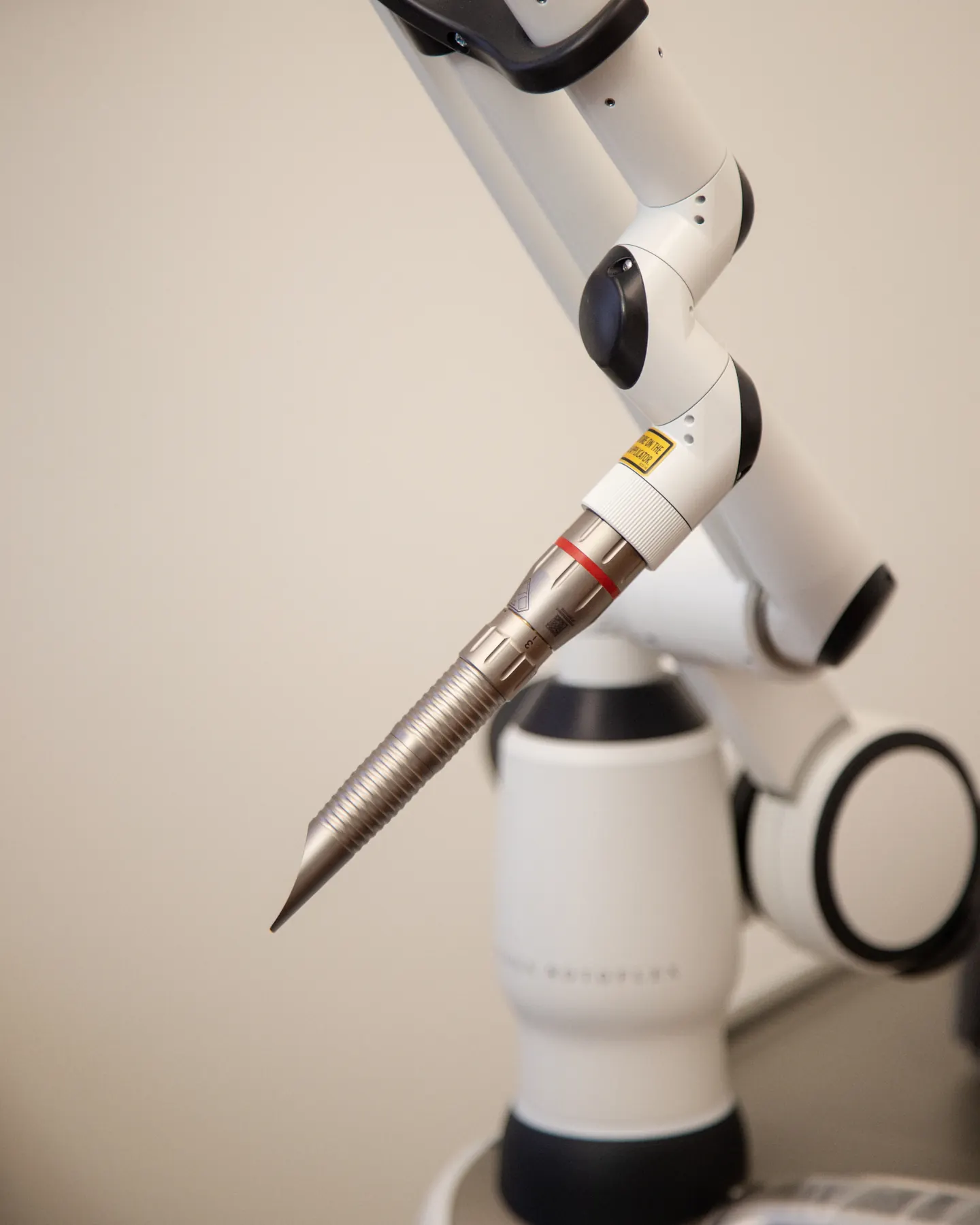
The name “4D” refers to four distinct treatment dimensions or modes, typically used in one session to address the skin from the inside out and the outside in. Depending on the clinic, settings and sequencing may vary, but the broad concept stays consistent. The treatment commonly combines Er:YAG and Nd:YAG wavelengths, each chosen for its tissue interaction.
The reason this matters for collagen is simple. Different depths and targets produce different biological effects. Some energy is directed toward deeper bulk heating, which can trigger collagen remodeling in the dermis and supporting tissue. Some is used more superficially to improve texture and refine the skin’s outer layers. One of the most distinctive elements is the intraoral component, where tissue inside the mouth is treated to stimulate contraction and support around the perioral area and cheeks without puncturing the skin.
That multi-level strategy is why many patients describe the result not as a dramatic “done” look, but as a fresher, tighter, more rested version of their own face.
Why heat matters for collagen remodeling
Laser treatments support collagen production largely through thermal effect. When tissue is heated to the right range, collagen fibers can contract and the skin initiates a repair response. That response can lead to neocollagenesis, meaning the formation of new collagen, and sometimes neoelastogenesis, or new elastin formation, depending on the device, settings, and skin response.
The key phrase is “the right range.” Too little energy may do very little beyond temporary circulation changes. Too much can create unnecessary inflammation, downtime, or pigment risk, especially in darker skin tones or in patients with recent sun exposure. This is where device quality and practitioner judgment matter more than marketing language.
A well-planned TimeWalker session aims to create meaningful heating without crossing into avoidable injury. The goal is controlled stimulation, not trauma for its own sake. In my experience, this distinction is often underappreciated by patients who assume more aggressive always means better. In reality, collagen induction works best when treatment intensity is matched to the skin in front of you.
The inside-out effect is not just a slogan
One of the most talked-about parts of the Fotona 4D Laser Facial (TimeWalker) is the intraoral step, often associated with the SmoothLiftin mode. This treats the inside of the mouth, usually along the cheeks and around the perioral region, to deliver heat to tissue that is difficult to target effectively from the skin surface alone.
Patients are often surprised that this internal approach can influence how the nasolabial area, upper lip, and lower cheek look over time. It is not the same as adding volume, and it will not recreate the effect of a filler placed for structural support. What it can do is encourage tissue tightening and collagen remodeling in an area where creasing, thinning, and softening become more noticeable with age.
For the right patient, this can be especially useful around the mouth. That zone tends to show age early because it moves constantly, receives chronic sun exposure, and loses support from multiple layers at once. An intraoral component gives the treatment a practical advantage there.
Surface refinement and deeper stimulation work better together
A common mistake in skin rejuvenation is to focus only on one layer. Some treatments make the surface smoother but do little for laxity. Others create deeper heating but leave rough texture, enlarged pores, or superficial irregularity largely unchanged. The appeal of a 4D protocol is that it acknowledges how aging presents in real skin: not as one single defect, but as a stack of changes happening at once.
When superficial modes are included, they can improve the way light reflects off the skin. That matters more than many people realize. Smoother texture and more even tone often create the impression of healthier, younger skin even before major tightening occurs. Then the deeper thermal modes work in parallel, supporting gradual collagen remodeling beneath the surface.
This combination can produce a result that feels coherent. The skin may look brighter, slightly firmer, and more refined at the same time, rather than improved in one respect but neglected in another.
What a patient usually notices first
Collagen itself takes time, but there are earlier signs that treatment is doing something useful. Within days to a couple of weeks, patients commonly notice a fresher appearance, mild tightening, and a smoother feel to the skin. Makeup may sit better. Pores may look less obvious. The face can appear less tired even if friends cannot identify exactly why.
More structural improvement usually emerges later. Around the one to three month mark, many patients start seeing a better-defined texture, subtle lift through the midface or jawline, and softening in lines around the mouth. This timing varies. Younger patients with good baseline skin quality may respond faster. Mature skin with significant photodamage often improves too, but usually needs a series and realistic expectations.
That delayed payoff is one reason patient selection matters. People who want a dramatic overnight transformation are often better served by a different plan. People who value gradual, natural-looking improvement tend to be happier with collagen-stimulating treatments.
Who tends to benefit most
The best candidates are often those in the early to moderate stages of laxity, textural change, and collagen loss. They may not want injectables, may want to Fotona 4D Laser Facial (TimeWalker) reduce reliance on them, or may be looking for a maintenance treatment that complements other procedures.
Patients in their thirties and forties often do particularly well because they still have enough regenerative capacity to respond efficiently. That said, age alone is not the deciding factor. I have seen older patients with excellent results when their skin quality was good and their expectations were sensible, and younger patients with weaker responses due to sun damage, smoking, or inconsistent aftercare.
The treatment can also appeal to patients who want visible rejuvenation with less downtime than a fully ablative laser. That does not mean no downtime at all. Depending on settings, some redness, warmth, mild swelling, or a rough “sandpapery” feel can occur for several days. But for many patients, the recovery is more manageable than with more aggressive resurfacing.
When collagen support is not enough on its own
This is where clinical honesty matters. If someone has marked jowling, heavy neck laxity, deep static folds caused by volume loss, or significant lower-face descent, a collagen-stimulating laser may improve the skin but not fully address the underlying anatomy.
In those cases, the Fotona 4D Laser Facial (TimeWalker) may still play a role, just not as a standalone answer. It can be paired thoughtfully with injectables, biostimulatory treatments, radiofrequency-based approaches, microneedling, or surgery, depending on the concern. Good treatment planning is rarely about defending one device as the answer to everything. It is about choosing the right tool for the problem.
Patients appreciate this candor more than clinics sometimes realize. Most are not expecting perfection. They want to know what a treatment can realistically do, what it cannot, and whether the investment makes sense for their goals.
The treatment experience in practical terms
A TimeWalker session is generally more comfortable than many patients expect, though comfort depends on the specific modes used and the person’s pain threshold. The deeper heating phases often feel warm rather than sharply painful. The superficial passes can create more of a prickly or hot sensation. The intraoral portion feels unusual if you have never had energy-based treatment inside the mouth, but it is typically tolerable.
Appointment length varies, often somewhere around 45 minutes to over an hour when full-face treatment is performed. Some clinics use topical numbing for selected steps, while others do not need much anesthesia depending on settings and patient sensitivity.
Afterward, the skin may look pink or mildly flushed. Some patients feel heat for a few hours, similar to being out in the sun too long. If superficial polishing or fractional passes are included, you may also see transient roughness or dryness. Most people can return to normal social activity fairly quickly, but the exact timeline depends on how assertively the treatment was performed.
Why a series usually works better than a single session
Collagen building is cumulative. One session may create a visible improvement, especially in skin brightness and mild tightening, but repeated stimulation often produces a more reliable and longer-lasting change.
A common pattern is a course of treatments spaced several weeks apart, followed by maintenance. The right interval depends on skin condition, goals, and how aggressively each session is performed. Someone preparing for an event might benefit from a different timeline than someone building a long-term maintenance program.
Here is where consistency matters more than intensity. A moderate treatment repeated appropriately often produces a more elegant result than one very aggressive session followed by months of neglect. Skin responds well to steady support.
Factors that influence results more than patients expect
Several everyday variables shape the outcome, sometimes more than the treatment itself. Sun exposure is the obvious one. If collagen stimulation is the objective, ongoing UV damage works directly against it. Smoking is another major factor because it impairs circulation and accelerates collagen breakdown. Sleep, stress, and nutrition also matter, though not in a simplistic “wellness” way. Chronic inflammation and poor recovery habits can blunt how well skin repairs itself.
One practical point worth emphasizing is skincare. A patient does not need a fifteen-step routine, but they do need a sensible one. Post-laser skin generally benefits from barrier support, sun protection, and avoidance of unnecessary irritants. Strong exfoliants, retinoids, and active acids may need to be paused briefly, then reintroduced as directed.
A short post-treatment framework usually helps:
- Keep the skin cool, clean, and well-moisturized for the first few days.
- Use broad-spectrum sunscreen consistently, even if most of your day is indoors.
- Pause potentially irritating actives until the skin feels settled.
- Avoid heat exposure such as saunas, very hot workouts, or steam immediately after treatment.
- Follow the clinic’s aftercare rather than combining advice from multiple online sources.
That last point sounds minor, but it prevents a lot of unnecessary irritation. Patients often over-treat their skin after procedures because they assume more products mean faster healing.
How it compares with other collagen-focused treatments
Patients often ask how this differs from microneedling, radiofrequency microneedling, IPL, ultrasound-based lifting, or traditional resurfacing lasers. The most useful answer is that they do not all target the same problem in the same way.
Microneedling can stimulate collagen well, particularly for texture and early scarring, but it works through a different mechanism and depth profile. Radiofrequency microneedling can be stronger for certain laxity and acne scar concerns. IPL is more about pigment and vascular issues than true lifting. Ultrasound-based treatments target deeper support layers differently and may suit some jawline or lower-face goals better. Fully ablative lasers can deliver dramatic resurfacing, but at the cost of more downtime and more risk.
The Fotona 4D Laser Facial (TimeWalker) tends to sit in a useful middle ground. It can address multiple layers, offers visible rejuvenation, and usually avoids the recovery burden of the most aggressive resurfacing approaches. That balance is exactly why it appeals to busy professionals who want to look better without disappearing from public view for two weeks.
The subtle art of setting expectations
One of the most reliable predictors of satisfaction is whether the patient understands the likely endpoint. If someone expects to look ten years younger after one session, the treatment is being set up to fail. If someone understands that the goal is firmer, fresher, healthier-looking skin with progressive collagen support, the treatment has room to succeed on its own terms.
Natural-looking rejuvenation often wins in the long run. The face still moves. The skin still looks like skin. People may comment that you look rested or that your complexion is better, without assuming you had obvious work done. For many patients, that is exactly the point.
This is also why photography matters. Subtle changes can be hard to appreciate day to day when you see your own face constantly. Standardized before-and-after photos, taken in the same light and angle, often show progress more clearly than memory does.
Safety, judgment, and skin diversity
Any laser treatment demands careful screening. Medical history, active infections, recent tanning, melasma tendency, isotretinoin history, medication use, and skin type all affect planning. Darker skin tones can absolutely be treated with lasers, but not casually and not with one-size-fits-all settings. The risk of post-inflammatory hyperpigmentation is real if energy selection is poor or aftercare is ignored.
This is another reason that experience matters more than flashy branding. A powerful platform in untrained hands is not an advantage. A skilled practitioner will adjust parameters, sequence, and treatment goals based on the individual rather than forcing every face into the same preset package.
In practice, that may mean treating more conservatively in one patient, skipping a step in another, or spacing sessions differently than the brochure suggests. Customization is not a luxury in laser medicine. It is basic good practice.
Where the treatment fits in a long-term skin plan
The smartest way to view a Fotona 4D Laser Facial (TimeWalker) is not as an isolated event, but as one part of an ongoing skin health strategy. Collagen is always turning over. Aging does not pause because you had one excellent treatment cycle. Maintenance, protection, and periodic reassessment matter.
For some patients, that long-term plan may be as simple as laser sessions a few times a year, daily sunscreen, a retinoid once tolerated, and basic hydration support. For others, it might include injectables, pigment management, vascular treatment, or more intensive resurfacing at selected intervals. The right plan depends on the face, not on trends.
What the TimeWalker platform does particularly well is offer a pathway for patients who want to strengthen and refine the skin without jumping immediately to the most aggressive intervention available. By using controlled laser energy at different depths, it supports the biological processes behind collagen remodeling while also improving how the skin looks and behaves on the surface.
That is the real value. Not hype, not instant transformation, but a well-designed treatment that works with the skin’s repair mechanisms to restore some of what time gradually reduces. For patients seeking firmer, smoother, more resilient skin with a natural finish, that is a meaningful advantage.
OMNIA Wellness Center
Address: 16430 Ventura Blvd Ste 207, Encino, CA 91436
Phone: (818) 386-8511
FAQ About Fotona 4D Laser Facial (TimeWalker)
What are the benefits of Fotona laser treatment?
OMNIA offers this treatment for concerns such as uneven texture, dull tone, and fine lines. Results and the number of sessions vary, so discuss your goals with a provider.
Is Fotona laser safe?
A qualified provider should review your skin, medical history, medications, and recent sun exposure to determine whether the treatment is appropriate. Ask about possible irritation, pigment changes, and aftercare before booking.
How much does a Fotona 4D facelift cost?
Price depends on the treatment plan and number of visits. Ask OMNIA for an itemized estimate during your consultation.