How Fotona Laser Treatments in Encino, CA Fit Into Aesthetic Wellness
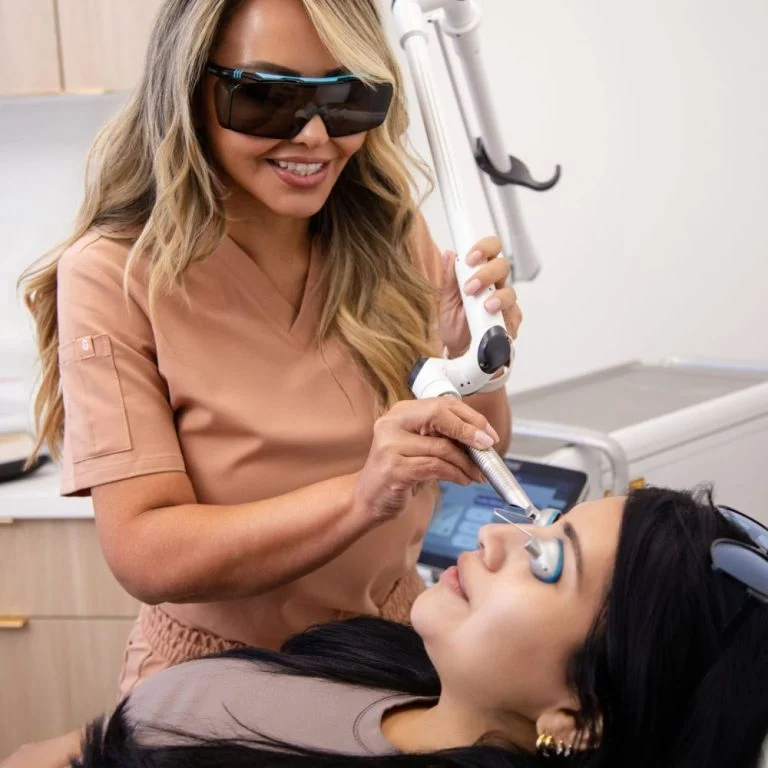
Aesthetic wellness has moved well beyond the old idea of chasing a single cosmetic fix. The more thoughtful approach, and the one many patients now ask for, looks at appearance as part of a larger picture that includes skin health, confidence, recovery time, lifestyle, and long-term maintenance. That shift matters when people start exploring laser treatments. They are not simply asking, “Can this improve a wrinkle?” They are asking whether a treatment fits into the way they live, how much downtime they can handle, and whether the result will look natural on a real face in real light.
That is where Fotona often enters the conversation. Patients looking into Fotona Laser Treatments Encino, CA are usually not seeking a dramatic, overnight transformation. More often, they want a strategy that supports healthier-looking skin, addresses texture or laxity, and can be adjusted to match age, skin quality, and comfort level. In a community like Encino, where many people want polished results without looking overdone, that distinction matters.
Aesthetic wellness is broader than cosmetic maintenance
The phrase “aesthetic wellness” gets used loosely, but in practice it means a more complete way of planning treatment. The goal is not only to improve how someone looks in a before-and-after photo. It is to help skin function better, age more gracefully, and respond well to ongoing care. That can include sun protection, topical skincare, injectables in some cases, body treatments, hormone-related discussions with a medical provider when appropriate, and devices like lasers when they serve a clear purpose.
A patient who comes in concerned about loose skin under the eyes may also have dehydration, chronic sun exposure, disrupted sleep, or a skincare routine that is too aggressive. Another patient may be bothered by acne scarring but also flush easily, work outdoors, and have little room in their schedule for visible recovery. Those details change the treatment plan.
This is one reason laser platforms with multiple applications tend to remain relevant. They can be folded into a broader plan rather than used as a one-note procedure. Fotona has built a reputation around that kind of flexibility. Depending on the handpiece, settings, and treatment goal, it can be used in ways that target resurfacing, tightening, pigment irregularity, vascular concerns, and certain gynecologic or wellness-related indications that are handled in specialized medical settings. Not every office offers every application, and not every patient is a candidate for every protocol, but the platform is often discussed because it allows physicians to customize rather than force one solution onto every face.
Why Fotona stands out in a crowded laser market
Patients are often surprised to learn how different lasers can feel, heal, and perform. The term “laser treatment” sounds singular, but it is not. Some devices focus on pigment. Some are stronger on vascular concerns. Some create more intensive resurfacing. Some are gentler and designed for staged improvement. A good provider does not talk about lasers as if they all do the same job.
Fotona is often appealing because it can support both superficial and deeper goals, depending on the protocol. In practical terms, that may mean helping with skin texture while also aiming to stimulate remodeling beneath the surface. For the right patient, this can fit aesthetic wellness better than Fotona Laser Treatments Encino, CA a one-time, aggressive intervention that creates a long recovery but does not suit their schedule or tolerance.
That does not mean Fotona is automatically the best choice in every case. It is not. Someone with severe sun damage, extensive volume loss, or very deep etched lines may need a layered plan that includes other technologies or treatments. Sometimes the right answer is not a laser at all. Experienced clinicians tend to be candid about this. Devices are tools, not magic. The real value comes from matching the tool to the biology of the skin and the priorities of the person sitting in the chair.
What patients in Encino tend to want from treatment
Encino has its own treatment culture, and that influences what people ask for. Many patients want visible improvement, but they also want discretion. They may be balancing school drop-offs, public-facing work, filming schedules, fitness routines, social obligations, or travel. It is common for patients to ask less about whether a treatment works in theory and more about questions like these: Will I be swollen the next day? Can I wear makeup soon? Will my skin look unusually shiny or raw? How many sessions before I notice something real?
Those are good questions. They move the conversation out of marketing language and into day-to-day reality.
Fotona Laser Treatments Encino, CA often appeal to people who value gradual refinement. A teacher, attorney, entrepreneur, or parent may prefer a treatment series that produces cumulative gains with manageable downtime over a single dramatic treatment that requires a full week off the calendar. Someone else may choose a stronger session because they have a planned period of recovery and want more intensive correction. Both choices can make sense. The key is alignment between expectation and protocol.
The role of collagen stimulation in a wellness-minded plan
One reason lasers remain central to aesthetic medicine is that many visible signs of aging trace back to structural changes in the skin. Collagen declines. Elastin becomes less organized. Surface turnover slows. Sun exposure compounds all of it. Topicals can help, and they absolutely matter, but they do not always address deeper tissue remodeling on their own.
This is where collagen stimulation becomes part of aesthetic wellness rather than a vanity add-on. If a treatment can encourage the skin to behave more like healthier skin, the result usually looks more believable. Not frozen. Not overfilled. Just better supported.
Patients often describe the best laser outcomes in simple ways. Their skin looks firmer near the jawline. Makeup sits better. Crepey texture around the eyes softens. The face appears more rested, even if no one can name exactly what changed. Those subtle shifts are often more valuable in the long run than a flashy short-term effect.
Still, collagen-based improvement takes time. This is one of the most important counseling points in laser medicine. Immediate tightening can happen to a degree with heat-based treatments, but true remodeling unfolds over weeks and months. Patients who understand that process tend to be happier because they are watching for progression rather than waiting for a single reveal.
Common concerns Fotona may be used to address
In the right setting, providers may consider Fotona for concerns such as fine lines, skin laxity, acne scarring, uneven texture, and certain pigment or vascular issues, depending on the protocol available in that office. Around the mouth and eyes, where Fotona Laser Treatments Encino, CA aging often shows early and fillers are not always the best first answer, laser-based stimulation can be especially useful.
A patient in their late thirties with early lower-face laxity may not need a surgical consult yet, but they may be unhappy with how the skin is starting to drape. Another patient in their fifties may have sun damage, rough texture, and a sense that the skin no longer reflects light evenly. A younger patient may be less focused on aging and more concerned about acne scars that have not responded to peels or microneedling alone. These are different problems, and the treatment intensity should reflect that.
A nuanced practice will also look at what laser treatment cannot fix. Deep hollowing under the eyes is not corrected with resurfacing alone. Significant jowling may exceed what a non-surgical device can realistically improve. Brown spots that are truly epidermal may behave differently than mixed pigment deeper in the skin. Honest treatment planning is part of wellness, too. It protects patients from spending time and money on a mismatch.
The consultation matters more than the device name
A patient can spend hours researching machines online and still miss the most important variable, the provider’s judgment. Laser outcomes depend on settings, sequence, skin preparation, aftercare, and case selection. A poor plan with a reputable device is still a poor plan.
A strong consultation should cover a few basics clearly:
- your main concern and what “success” would look like to you
- your skin history, including melasma, cold sores, scarring, or recent tanning
- how much downtime you can truly manage
- whether a series, a maintenance plan, or combination treatment makes the most sense
- what the treatment is unlikely to change, even under ideal conditions
That last point is often what separates a skilled consultation from a sales pitch. When providers explain limits, trust goes up. Patients do not need perfection. They need accuracy.
How Fotona fits alongside injectables, skincare, and other treatments
One of the strengths of a laser-based approach is that it rarely has to stand alone. In aesthetic wellness, the best outcomes often come from layering treatments thoughtfully rather than overusing any single one.
For example, a patient with early perioral lines may do well with resurfacing and collagen stimulation first, then add a small amount of neuromodulator if muscle movement is contributing to the creasing. A patient with dull skin and rough texture might combine laser sessions with a disciplined skincare routine built around sunscreen, antioxidants, and a retinoid, assuming their skin tolerates it. Someone with both laxity and volume loss may benefit from conservative filler placed after the skin quality has been addressed.
This sequence matters. If skin is sun damaged, dehydrated, or uneven in texture, adding volume alone can leave the face looking fuller without looking healthier. By contrast, when the skin itself improves, other treatments usually look better and may even be needed in smaller amounts.
In that sense, Fotona often fits as a quality-of-skin treatment. That phrase gets used often in aesthetic circles because it captures something many patients intuitively want. They are not trying to look altered. They want the skin to look stronger, smoother, and more vibrant.
What treatment and recovery can actually feel like
One of the biggest gaps between marketing and reality is sensation. Patients appreciate straightforward descriptions. Depending on the protocol, a Fotona session may feel warm, prickly, snappy, or intensely hot in short bursts. Some treatments are very tolerable with topical numbing or cooling support. Others are more robust and require more preparation. The level of discomfort depends on the target area, the treatment depth, and the settings chosen.
Recovery also varies. A lighter session may leave the skin pink for a day or two, with some dryness or roughness as the surface renews. More aggressive resurfacing can involve several days of redness, swelling, and a sandpapery texture while the skin heals. Around the eyes, swelling can be more noticeable. Around the mouth, patients often feel more heat and lingering tightness. These are normal practical details, not signs that something is wrong.
The social downtime question is usually more useful than the medical downtime question. Medically, a patient may be fine to resume normal activities quickly. Socially, they may not want to attend a dinner, meeting, or event while the skin is flushed or shedding. Providers who talk through that distinction help patients schedule smartly.
Encino patients often do best with realistic pacing
There is a tendency in aesthetics to ask for maximum output from minimum effort. One treatment, no downtime, dramatic lift, zero risk. That combination does not exist. Every meaningful intervention carries trade-offs involving recovery, cost, patience, or the need for repeat sessions.
In practice, many patients do best with a paced plan. A series may be spaced out over weeks or months. Maintenance may happen once or twice a year, depending on age, sun exposure, skincare habits, and treatment goals. Patients who commit to that rhythm often look consistently good rather than temporarily over-corrected.
This is especially true in Southern California, where UV exposure is relentless. You can invest in excellent laser work and undermine it quickly with unprotected driving, weekend hiking, pool time, or daily incidental sun. It does not take dramatic sunburn to work against collagen and trigger pigment. Wellness in this context is less glamorous than treatment marketing suggests. It often comes down to boring discipline, hats, sunscreen, shade, and consistency.
Who may need caution or a different approach
Laser medicine is never one-size-fits-all. Certain patients need more caution, modified settings, pretreatment, or a different plan altogether. Anyone with a history of post-inflammatory hyperpigmentation, melasma, keloid tendencies, active acne flares, rosacea, herpes simplex outbreaks, recent isotretinoin use, or significant recent tanning should disclose that early. These details do not automatically rule out treatment, but they absolutely affect strategy.
Skin tone also matters. Not because deeper skin tones cannot be treated, but because energy-based devices must be chosen and used with precision. Providers who routinely treat a broad range of skin types are generally better at explaining risk and customizing safely. This is an area where experience counts a great deal.
Some patients are also better served by delaying treatment. If someone has a major event in ten days and has never had a laser before, caution is wise. If their skincare barrier is inflamed from overuse of acids and retinoids, it often makes sense to calm the skin first. Good results usually come from respecting timing, not rushing through it.
Questions worth asking before booking
Patients do not need to become laser experts, but a few grounded questions can save frustration and help them compare recommendations intelligently.
- Which Fotona treatment are you recommending for my specific concern, and why this one instead of another laser?
- How many sessions do you think I may need before I can fairly judge the result?
- What is the likely downtime for someone with my skin type and schedule?
- What risks are most relevant in my case, including pigment changes or prolonged redness?
- What should I do before and after treatment to reduce complications and support the result?
The answers should sound specific, not rehearsed. “It depends” can be a perfectly good answer if it is followed by a thoughtful explanation.
Cost, value, and the long view
Price matters, and patients should be able to ask about it without embarrassment. Laser treatments can be a meaningful investment, particularly when multiple sessions are recommended. The cheapest option is not always the best value, especially if it leads to under-treatment, poorly managed aftercare, or avoidable complications. On the other hand, expensive treatment is not automatically superior.
Value usually comes from three things: appropriate selection, competent execution, and a plan that respects maintenance. A patient who spends responsibly on a treatment that genuinely suits their skin often gets more lasting satisfaction than someone who chases every trending procedure. In clinical practice, restraint often ages better than excess.
That is another reason Fotona has a place in aesthetic wellness. It can be part of a measured, long-range approach. Instead of relying only on camouflage or short-lived fixes, patients can work on skin quality itself. That tends to support both appearance and confidence in a steadier way.
Where Fotona belongs in the bigger aesthetic picture
For the right patient, Fotona is not just about looking younger. It is about improving skin behavior, texture, resilience, and tone in a way that complements a broader plan for wellness. It may sit alongside sunscreen and prescription skincare. It may follow a period of barrier repair. It may precede injectables or reduce the need for them in certain areas. It may be used lightly for upkeep or more intensively for correction.
The most satisfied patients are usually the ones who stop thinking in terms of miracle procedures and start thinking in terms of stewardship. Skin responds to how it is treated over time. Thoughtful laser care, especially when offered by a provider who understands both the technical and human sides of treatment, can become part of that stewardship.
For people considering Fotona Laser Treatments Encino, CA, the most useful question is not whether the technology is popular or impressive. It is whether the treatment fits your skin, your goals, your calendar, and your tolerance for recovery, and whether it supports the kind of result you actually want to live with. In aesthetic wellness, that fit is what makes treatment worthwhile.
OMNIA Wellness Center
Address: 16430 Ventura Blvd Ste 207, Encino, CA 91436
Phone number: +18183868511
FAQ About Fotona Laser Treatments Encino, CA
What is a Fotona laser good for?
A Fotona Laser system is a versatile, dual-wavelength medical laser used primarily for non-surgical skin tightening, anti-aging rejuvenation, and dermatological treatments.
How much does the Fotona laser cost?
The cost of a Fotona laser depends heavily on whether you are looking to purchase a laser machine for a medical practice or are a patient seeking a laser treatment at a medspa.
Is a Fotona laser worth it?
A Fotona laser treatment is generally worth it if you want non-surgical skin tightening, improved texture, and collagen stimulation with very little downtime.